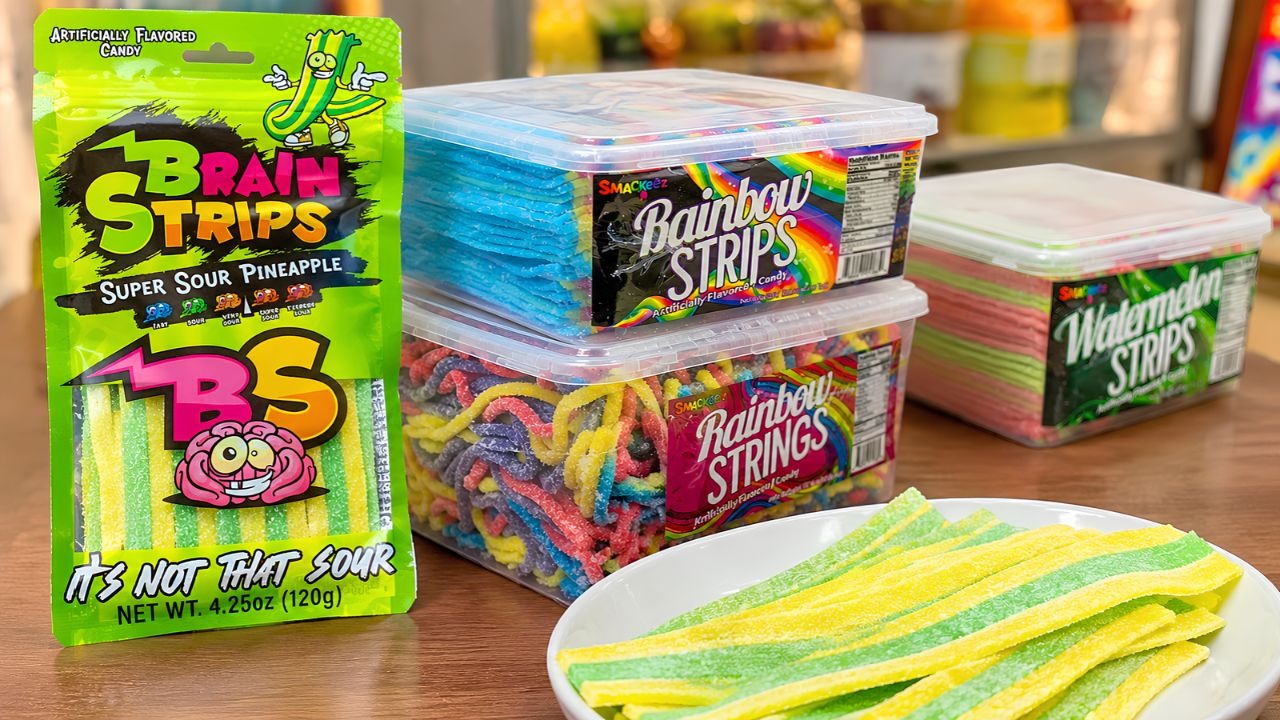
Have you ever picked up a red candy expecting strawberry flavour, only to find that it tastes completely different? This happens because our eyes influence what we expect to taste before food reaches our mouths. Brightly coloured sweets, including rainbow candy, often create strong expectations about sweetness, sourness, and fruity flavours. Our brains connect certain colours with familiar foods and past experiences. These connections can affect how we identify and enjoy different flavours. Understanding this relationship helps explain why candy colour plays such an interesting role in our eating experience.
Why Does Candy Colour Affect Our Taste Expectations?
Colour is one of the first things we notice about food. Before taking a bite, our brains begin making guesses about its flavour based on its appearance. For example, red often reminds us of strawberries or cherries, while yellow may suggest lemons. These connections develop through everyday experiences with fruits, drinks, desserts, and sweets.
However, colour does not always tell us what something will taste like. Manufacturers may use different colours for similar flavours, and our expectations sometimes turn out to be wrong. Research suggests that visual appearance can influence flavour identification. However, the effect on how strong or sweet something tastes is less consistent.
How Do Different Candy Colours Connect With Flavours?
Different colours can create different flavour expectations. Although these associations vary between people and cultures, several patterns are common.
1. Red and Pink: Sweet and Fruity Flavours
Red and pink candies are often connected with strawberries, cherries, raspberries, and watermelon. These colours can make people expect a sweet, fruity flavour before tasting the candy.
Red is also associated with ripe fruit, which may help explain its connection with sweetness. Still, a red candy might have a sour or spicy flavour instead.
2. Yellow and Green: Sour and Citrus Flavours
Yellow frequently suggests lemon, while green can remind people of lime or green apple. Because these fruits are often tart, yellow and green sweets may create expectations of sourness.
However, green candies can also have sweet flavours such as melon, making the relationship between colour and taste less predictable.
3. Orange: Fresh and Tangy Flavours
Orange-coloured candies commonly suggest oranges, peaches, or other citrus fruits. People may expect a balance of sweetness and tanginess because these flavours are familiar from fruit juices and sweets.
Orange is also easy to recognise, making it a useful visual clue when several candy flavours are mixed together.
4. Purple and Blue: Berry and Unusual Flavours
Purple candies are commonly associated with grapes, blackcurrants, or mixed berries. Blue candies are more difficult to connect with natural foods because fewer familiar fruits are naturally blue.
As a result, blue sweets may create expectations of blue raspberry or other flavours learned through candy and drink experiences.
How Does Our Brain Connect Colour With Taste?
Our sense of taste does not work alone. The brain combines information from our eyes, nose, tongue, and mouth to create the overall experience of flavour. When we see a coloured candy, the brain uses previous experiences to predict how it might taste. Once we eat it, the actual flavour is compared with that prediction. If the flavour matches our expectation, recognising it may feel easier.
If it does not match, we might become confused or surprised. Smell also plays an important role. Much of what we describe as flavour comes from aromas detected while chewing. This explains why colour can influence expectations without completely controlling the taste we experience.
Why Do People Experience Candy Colours Differently?
Not everyone connects the same colours with the same flavours.
Our expectations are influenced by several personal and cultural factors:
- Past experiences: Familiar childhood sweets can create lasting colour and flavour associations.
- Cultural differences: The same colour may suggest different foods in different countries.
- Age: Children and adults may recognise or expect different flavours.
- Food familiarity: People who regularly eat certain fruits may associate their colours with particular tastes.
- Personal preferences: Favourite flavours can influence which sweets people choose first.
These differences explain why two people can look at the same candy and expect completely different flavours.
Does Packaging Colour Influence Candy Flavour?
Candy packaging also creates expectations before someone opens a packet. For example, a yellow wrapper may suggest lemon, while a purple wrapper may suggest grape. However, packaging colour and candy colour do not always have the same influence.
One study found that wrapper colour affected what flavour people expected, but it did not change how they identified the flavour of the candy itself. This suggests that the colour of the food may sometimes matter more than the colour surrounding it.
Can You Test How Colour Influences Taste at Home?
A simple tasting activity can help demonstrate how strongly appearance affects expectations. Choose several candies with different colours and familiar flavours. First, look at each candy and write down the flavour you expect. Then taste it and compare your guess with the actual flavour. For another round, try tasting the same sweets without seeing their colours. Notice whether identifying the flavours becomes easier or harder.
This activity can also be repeated with different types of sweets, including selections of wholesale gummies, to compare how colour, texture, and flavour influence expectations. The results may differ between participants, making it an interesting way to understand how personal experiences shape taste.
Conclusion
Candy colours do more than make sweets visually appealing. They help create expectations about flavour, sweetness, and sourness before the first bite. Red, yellow, green, and purple may remind us of familiar fruits, but these connections are not universal. Personal experiences, culture, aroma, and ingredients all contribute to how we experience flavour.
Although colour can influence what we expect and sometimes what we perceive, it does not determine the actual taste. The connection between sight and flavour shows how several senses work together whenever we enjoy a sweet treat.
