Key Takeaways
- Seasonal storage helps protect boats, RVs, and cars from moisture, pests, weather damage, and battery or tire problems.
- Choose between outdoor, covered, enclosed, or climate-controlled storage based on your vehicle and budget.
- Clean the vehicle, remove valuables and food, inspect tires, and check fluids before storage.
- Follow manufacturer instructions for boat engine care, fuel preparation, and winterization.
- Prepare RV water systems, plumbing, seals, and appliances for extended storage.
- Protect stored cars by cleaning and drying them and following battery and tire care guidelines.
- Compare facility security, drainage, access hours, space, and insurance responsibilities.
- Inspect and test your vehicle carefully before returning it to regular use.
Seasonal storage is more than finding an empty parking space. The right plan helps protect your boat, RV, or car from moisture, pests, battery drain, tire issues, and avoidable weather damage. Before choosing a location, compare available storage prices with the level of protection, access, and space your vehicle needs.
Whether you are storing a fishing boat after the final trip of the season, parking an RV for winter, or putting a second vehicle away for several months, preparation matters. A few practical steps before storage can make the return-to-service process safer and less stressful.
Why Seasonal Storage Matters
Long periods without use can affect batteries, tires, fluids, seals, and interior surfaces. Weather adds another layer of risk. Freezing temperatures can damage water systems, direct sunlight can stress tires and finishes, and humidity can encourage mildew or corrosion in enclosed areas.
Storage preparation should match the vehicle, the anticipated storage period, and local conditions. Owners comparing service, equipment, and seasonal care options can also consult experienced boat dealers in Missouri for advice specific to their boat model or engine.
Choosing the Right Storage Type
The best storage option is the one that balances protection, convenience, and budget. Consider these common choices before reserving a space:
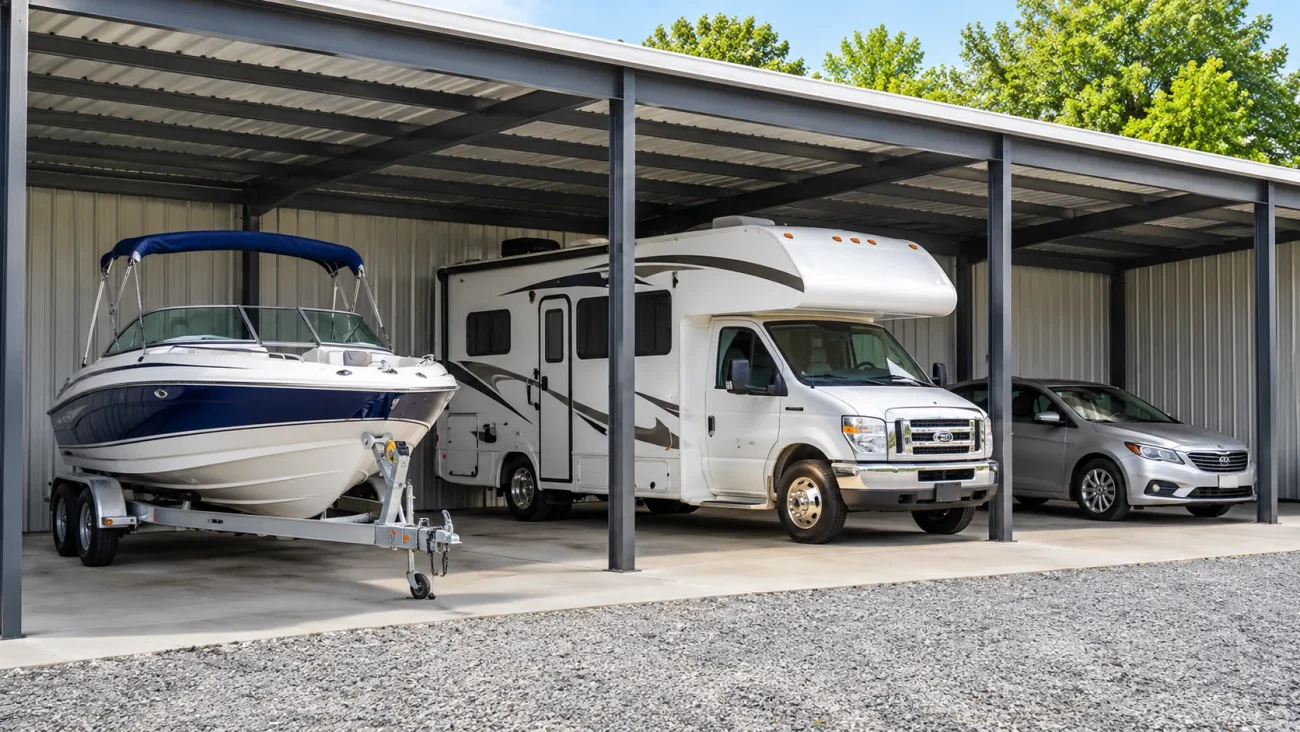
- Outdoor storage: Often practical for larger boats, trailers, and RVs, particularly for short-term use or in mild weather.
- Covered storage: Provides an added barrier against direct sun, rain, falling debris, and snow.
- Enclosed storage: Offers stronger protection from weather exposure and can limit dust and debris.
- Climate-controlled storage: May be useful for classic vehicles, sensitive electronics, valuable interiors, or long-term storage.
When deciding, weigh the vehicle’s value, the severity of local weather, how frequently you need access, and whether the space leaves enough room to maneuver safely.
The Pre-Storage Checklist
- Read the storage agreement, including access hours and rules for maintenance, fuel, batteries, and repairs.
- Measure the vehicle, trailer, hitch, and any mounted equipment before selecting a space.
- Wash the exterior, clean the interior, and remove food, trash, damp fabrics, and valuables.
- Inspect tire condition and set tire pressure according to the owner’s manual.
- Check fluid levels, battery condition, lights, and visible leaks.
- Close openings that could allow pests inside, while following manufacturer guidance for ventilation.
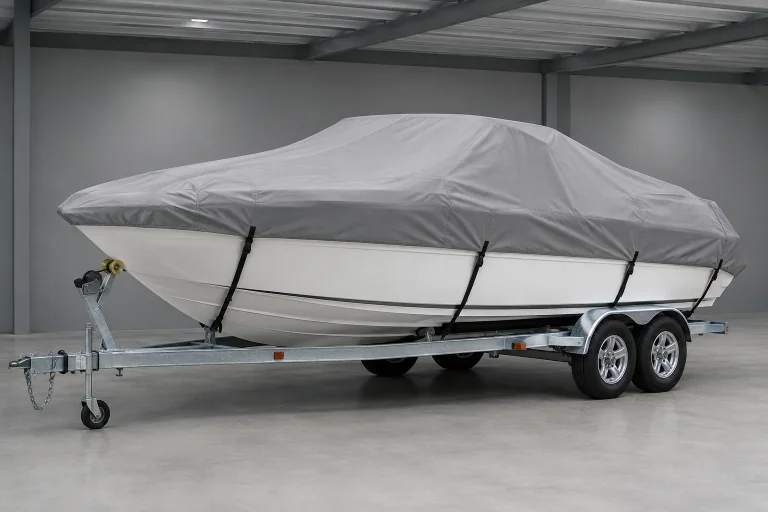
- Use a properly fitted, breathable cover if a cover is appropriate for the vehicle and storage environment.
- Photograph the vehicle and note existing cosmetic damage before leaving it.
Preparing a Boat for Storage
Boat storage begins with a thorough cleaning. Remove dirt, algae, salt residue, bait, food, and standing water from the hull, cockpit, bilge, and storage compartments. Saltwater exposure deserves particular attention because residue can contribute to corrosion if left in place.
Flush the engine with fresh water as required for the engine type, then follow the manufacturer’s instructions for fuel stabilization, fogging, cooling system protection, and battery care. Drain water from live wells, pumps, plumbing, and other systems that could freeze. Do not assume every engine uses the same winterization procedure.
Remove portable electronics and valuables, inspect the trailer tires and hitch, and ensure the boat is secured before leaving. Broader seasonal vehicle storage tips can also help owners think through battery maintenance, tire care, fuel preparation, and moisture control before cold weather arrives.
Preparing an RV for Storage
RV storage requires special attention to water systems and seals. Drain the fresh-water tank, water heater, gray-water tank, and black-water tank according to the RV manufacturer’s instructions. Before freezing weather, winterize the plumbing system with the approved method for the unit.
- Remove food, toiletries, paper goods, and anything else that may attract pests.
- Inspect the roof, windows, awnings, slide-outs, and exterior seals for damage or gaps.
- Turn off propane at the cylinder or tank valve and follow facility rules for propane storage.
- Clean the refrigerator and leave the door in the position recommended by its manufacturer.
- Use moisture-control products carefully and check them during storage when possible.
Preparing a Car for Storage
For cars stored for several months, wash and dry the exterior, vacuum the interior, and remove any food or drink. Review the owner’s manual for guidance on fuel level, stabilizer use, oil changes, tire pressure, battery disconnection, and parking brake use.
A clean, dry surface and breathable cover can help reduce exposure to dust and trapped moisture. Avoid using plastic sheeting directly against the vehicle, as it can trap moisture against painted or finished surfaces.
Storage Facility Features to Review
Evaluate the facility as carefully as the storage space itself. Useful features may include gated entry, individual access credentials, lighting, cameras, fencing, drainage, maintained driveways, and space to safely connect or disconnect a trailer.
Ask how the facility handles incidents, what insurance responsibility applies, and whether access hours fit your schedule. Storage needs continue to evolve as more facilities offer combinations of uncovered, covered, and enclosed options, as shown in recent RV and boat storage development in the Pacific Northwest.
Taking Your Vehicle Out of Storage
Before driving, towing, or launching, inspect the exterior and interior for pests, leaks, tire damage, corrosion, and new marks. Check fluid levels, reconnect and test the battery if needed, and remove any covers placed over vents or exhaust openings.
For boats, inspect drain plugs, hoses, belts, and cooling components. For RVs, test plumbing, appliances, propane systems, and safety alarms. Start slowly, listen for unusual sounds, and address concerns before taking a longer trip.
Final Thoughts
Preparing a boat, RV, or car for seasonal storage takes more than cleaning it and leaving it in a reserved space. Match the storage environment to the vehicle’s needs, follow manufacturer guidance for batteries, tires, fluids, and water systems, and check the facility’s security, access, and protection features. A thorough pre-storage inspection and a careful return-to-service routine can help prevent avoidable damage and unexpected repairs. With consistent preparation and a suitable storage arrangement, you can keep your vehicle in better condition until it is time to use it again.
