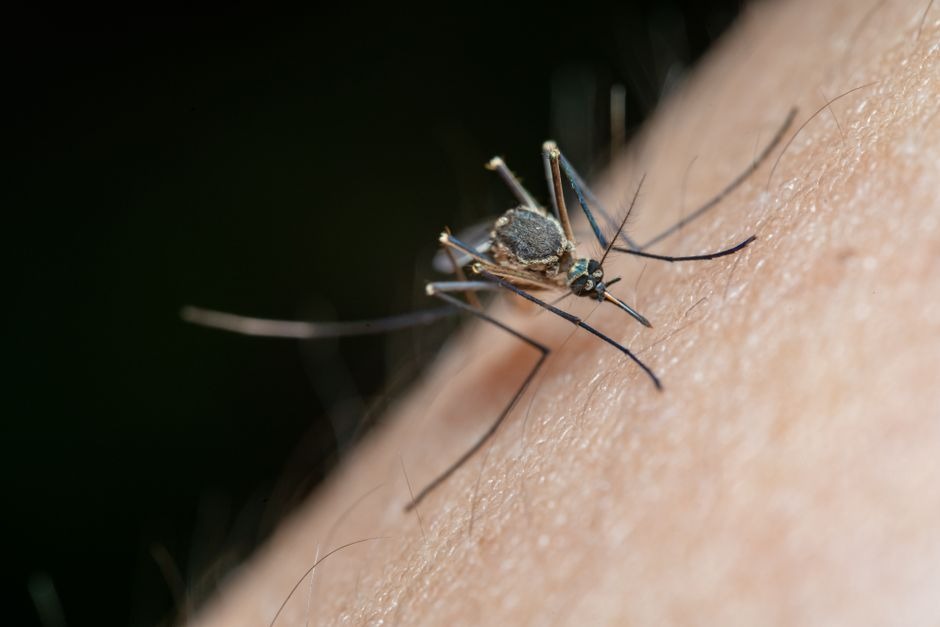
You can mow the lawn, wash the patio, and still step outside at dusk only to get swarmed. Mosquitoes are one of those backyard problems that feel random until you look closely at how your space works. Water, shade, airflow, and even the way you store outdoor items all shape mosquito activity. Once you understand those patterns, you can make smarter fixes that last longer than a quick spray before a barbecue.
The most effective approach is not simply to treat the mosquitoes you see. It is to identify what attracts them, remove the conditions that allow them to reproduce, and make the areas around your home less welcoming to them. A few consistent changes can make outdoor spaces much more comfortable.
Start With the Parts of Your Yard You Usually Ignore
Most mosquito problems don’t begin in the middle of the lawn. They start in neglected micro-zones: clogged gutters, saucers under planters, folded tarps, toys left upside down, and low spots that stay damp after rain.
Female mosquitoes need very little standing water to lay eggs, sometimes only a small amount collected in an overlooked container. That detail changes how you inspect your yard. You’re not just looking for ponds or buckets. You’re checking for repeat moisture.
Walk your property the day after rainfall. Look under deck stairs, behind storage sheds, and along fence lines where shade slows evaporation. Check outdoor furniture covers, plant trays, unused containers, and drainage areas. If one corner stays humid and still, that area can become a reliable mosquito resting or breeding location.
Fixing those hidden zones usually cuts activity faster than treating obvious open spaces. Empty containers, clear blocked drainage, and correct areas where water repeatedly collects. If a spot cannot be drained, ask a pest professional about suitable treatment options.
Wildlife Activity Often Plays a Bigger Role Than You Expect
If your yard attracts wildlife, you may also be supporting conditions that make outdoor pest management more complicated. Areas with animal traffic often include sheltered cover, moisture, and hidden spaces around structures. That combination can create a broader property-management concern rather than a mosquito-only problem.
This is where integrated pest management becomes useful. Instead of treating insects in isolation, you look at habitat conditions and pest activity across the whole property. If standing water, dense vegetation, or wildlife activity is contributing to recurring pest problems, backyard mosquito control can be one consideration when planning a broader approach to managing your outdoor space. The key is to identify the source of the problem and choose services that address the specific pests affecting your property.
That approach is more practical than repeated DIY spraying when the environment itself keeps re-creating the same conditions week after week. Addressing the underlying issues around the property can help prevent recurring problems and make other outdoor maintenance efforts more effective.
Understand Why Timing Matters More Than Most People Think
A lot of homeowners react when bites become unbearable, which usually means mosquitoes have already established a breeding cycle. That’s the expensive phase because you’re no longer preventing activity. You’re trying to interrupt a population that’s already reproducing.
Mosquito pressure often spikes in warm months after a pattern of rain followed by heat. Eggs hatch quickly, larvae develop in standing water, and adult mosquitoes settle into cool, shaded vegetation during the day. If you only focus on evening bites, you miss the daytime resting sites that help keep the cycle going.
A better strategy involves acting before peak activity ramps up. Routine inspections in spring and after storms give you a head start. In regions with long humid seasons, that timing matters even more because mosquito generations can overlap rather than disappearing completely between periods of activity.
Set a recurring reminder to inspect your yard, especially after heavy rainfall. Check gutters, drains, plant containers, and any decorative water features. Addressing small problems early is generally easier than trying to control a larger mosquito population later.
The CDC’s mosquito control guidance recommends regularly emptying, scrubbing, covering, or removing items that collect water. Making this a weekly habit can help eliminate common breeding spots around the home.
Landscaping Choices Can Either Help or Hurt You
Your yard design affects mosquito behavior more than most people realize. Dense shrubs pressed close together create shaded, wind-protected resting areas. Overwatered flower beds keep surface moisture high. Ornamental features like birdbaths look harmless until maintenance slips.
You don’t need a bare yard to reduce mosquito pressure. You need better spacing, trimming, and drainage. Thin out overgrown vegetation, especially around seating areas and entry points. Raise branches where possible to improve airflow under trees. If you use mulch, avoid piling it so deeply that it traps moisture near foundations.
Hardscape can help too. Patios with good drainage and fewer cluttered edges give mosquitoes fewer daytime hiding spots. Even simple changes, like storing pots upside down and refreshing pet water often, reduce breeding opportunities without making your yard feel sterile.
Think about how your landscaping changes throughout the growing season. Plants that are manageable in spring may become dense and overgrown by midsummer. Regular trimming and appropriate watering help maintain airflow and reduce the damp, sheltered conditions mosquitoes prefer.
Repellents and Foggers Have Limits You Should Know About
Consumer mosquito products can help, but many people expect them to solve the wrong problem. Personal repellents protect skin for a limited window. Foggers and yard sprays may knock down active adults, yet they often leave breeding sites untouched.
That’s why a yard can seem improved for two days and then feel exactly the same by the weekend. New adults emerge, nearby populations drift back in, and shaded resting zones remain intact.
If you use products, match them to the job. Repellents are for personal protection. Larval control targets standing water that can’t be drained. Residual treatment works best in appropriate foliage and shaded surfaces where adults rest. Always follow product labels and any professional application guidance.
The mistake is using one tool as if it covers every life stage. Mosquito management works better when you think in layers instead of one-off fixes.
The EPA’s tips for preventing mosquito bites also highlight the importance of removing mosquito habitats, using appropriate repellents, and maintaining structural barriers such as window and door screens.
Build a Backyard Routine That Keeps the Problem From Returning
The best mosquito control plan is usually boring, which is a good sign. It means you’ve moved from reacting to maintaining. A weekly five-minute check beats a frustrated all-day cleanup after bites get out of hand.
Empty containers, clear drains, refresh decorative water, trim heavy growth, and check irrigation leaks. Pay attention to changes after landscaping work, outdoor parties, or storms. Those moments often create new breeding spots without you noticing.
If you host outside often, focus on the zones people actually use: grill areas, patios, pools, and walkways from the back door. Add fans where people gather since mosquitoes are weak fliers. Keep seating away from dense vegetation when possible.
You can also make personal protection part of your routine. Use an appropriate insect repellent when spending time outdoors, wear suitable clothing, and make sure window and door screens are in good condition. These steps help protect people even when mosquitoes remain active elsewhere in the neighborhood.
You probably won’t eliminate every mosquito from the entire neighborhood. You can make your own yard less attractive, less hospitable, and far easier to enjoy through the season. The key is consistency: remove standing water, maintain vegetation, address wider property concerns, and use treatments appropriately rather than relying on a single quick fix.
