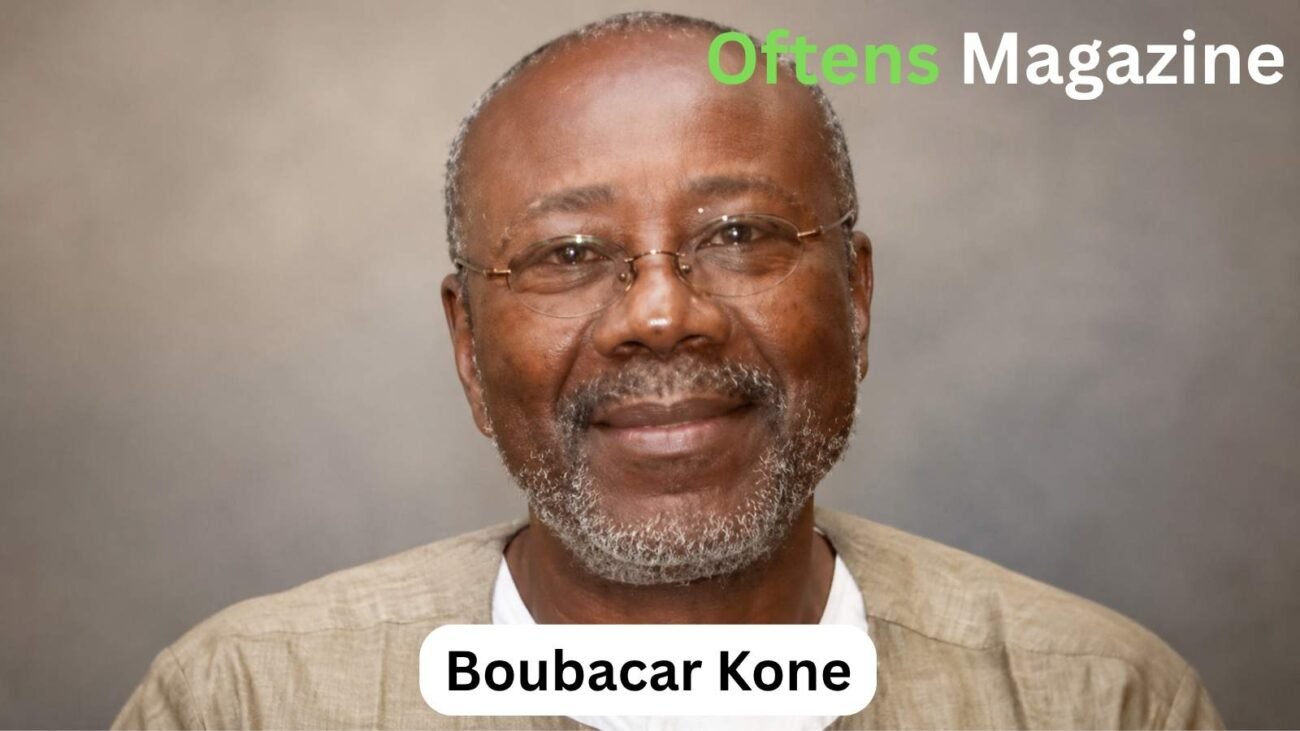
Boubacar Kone was a Senegalese journalist and art enthusiast who made a lasting contribution to African culture through his work with Musée Boribana in Dakar, Senegal. He is also remembered as the husband of American actress C.C.H. Pounder, known for her roles in television and film. Although Kone lived a more private life than his famous wife, his interest in African art and cultural preservation became an important part of his story.
Kone and Pounder shared an interest in art and worked together to create a space that celebrated African and diaspora artists. Their efforts led to the establishment of Musée Boribana, which they later donated to the Senegalese state in 2014. His life brought together journalism, art, family, and cultural heritage, making his story meaningful beyond his connection to the entertainment industry.
Boubacar Kone Quick Bio
| Detail | Information |
| Full Name | Boubacar Koné |
| Date of Birth | October 25, 1942 |
| Place of Birth | Senegal |
| Nationality | Senegalese |
| Profession | Journalist, museum founder, and curator |
| Education | Institute of International Journalism, Strasbourg, France |
| Famous For | Co-founding Musée Boribana |
| Wife | C.C.H. Pounder |
| Children | Five children are listed in his published obituary |
| Date of Death | August 3, 2016 |
| Place of Death | Los Angeles, California, USA |
| Age at Death | 73 years |
| Net Worth | Not reliably established |
Who Was Boubacar Kone?
Boubacar Kone was a Senegalese journalist, cultural figure, and museum founder best known for his work promoting African art and his marriage to actress C.C.H. Pounder. Rather than building a career in entertainment, he focused on journalism, art, and cultural exchange. His interests helped him connect with artists and cultural communities in different parts of the world. Although many people recognize his name through his relationship with Pounder, his own work in the arts gave him a distinct place in Senegal’s cultural history.
One of Kone’s most important achievements was co-founding Musée Boribana in Dakar, Senegal, with his wife. The museum opened a space for contemporary African and diaspora art, bringing together paintings, sculptures, photographs, and other creative works. On December 12, 2014, Kone donated the museum to the Senegalese state, helping preserve it as part of the country’s cultural heritage. He died on August 3, 2016, in Los Angeles, California. His work continues to be associated with the museum and the wider effort to celebrate African art and its influence around the world.
Boubacar Kone is remembered for his contribution to African art and for helping create Musée Boribana in Dakar.
Boubacar Kone’s Early Life and Background in Senegal
Boubacar Kone was born in Senegal and maintained a strong connection to his homeland throughout his life. Although details about his childhood, parents, and siblings are limited, his later work shows a clear interest in African history, art, and cultural identity. His life eventually took him beyond Senegal, including time in France, Canada, and the United States. These experiences placed him in contact with different artistic communities and helped shape his interest in cultural exchange.
Senegal remained an important part of Kone’s identity, particularly through his work in Dakar. Rather than focusing only on art from the past, he supported spaces where contemporary African artists could present their work and connect with wider audiences. His decision to establish a museum in Senegal reflected his interest in preserving the country’s cultural heritage while encouraging new artistic ideas.
Kone’s connection to Senegal remained central to his cultural work and the legacy he left behind.
His Education and Early Work in Journalism
Kone studied at the Institute of International Journalism in Strasbourg, France. This education provided a foundation for his early professional interests in journalism and communication. While details about his school years and academic qualifications are limited, his later activities show that his interests extended beyond reporting into research, art, and cultural preservation.
His early cultural work included involvement with African intellectual and artistic communities. He participated in activities connected with the 1966 World Festival of Negro Arts in Dakar, a major event that brought together artists and thinkers from Africa and the African diaspora. Kone also spent time in Canada and became involved with the Agnes Etherington Art Centre at Queen’s University. These experiences helped connect his journalistic background with his growing interest in the arts.
Kone’s early work brought journalism, cultural research and African artistic traditions together.
Boubacar Kone’s Career in African Art and Cultural Preservation
Boubacar Kone became known for his work supporting contemporary African art and creating opportunities for artists to share their work. His interests included art from Africa and the wider African diaspora, particularly the connections between artists living on the continent and those based abroad. Through his cultural activities, he helped create opportunities for people to experience African art as a living, developing tradition rather than something limited to history.
One of his most important projects was Musée Boribana in Dakar, which he established with his wife, C.C.H. Pounder. The museum provided space for exhibitions and housed different forms of artwork, including paintings, sculptures, ceramics, photographs, and videos. It also included facilities for artist residencies and documentation. This combination made the museum more than a place to display objects; it offered opportunities for artistic exchange and creative work.
Kone’s contribution to African art centered on building spaces where artists and audiences could meet and learn from one another.
How Boubacar Kone Met C.C.H. Pounder
C.C.H. Pounder is an American actress born in Guyana, known for her work in television and film. Her career includes roles in productions such as The Shield, NCIS: New Orleans, and Avatar. Her marriage to Boubacar Kone connected her life in entertainment with his interests in journalism, African culture, and contemporary art.
The exact circumstances of their first meeting are not clearly established in the biographical accounts commonly available. It would therefore be misleading to assign a particular location, date, or romantic story to their introduction. What is clear is that they developed a long-term relationship and shared an interest in collecting and promoting African and diaspora art. Their partnership later led to collaborative cultural projects, especially Musée Boribana in Senegal.
Kone and Pounder’s relationship became both a family partnership and a shared commitment to the arts.
Boubacar Kone and C.C.H. Pounder’s Marriage
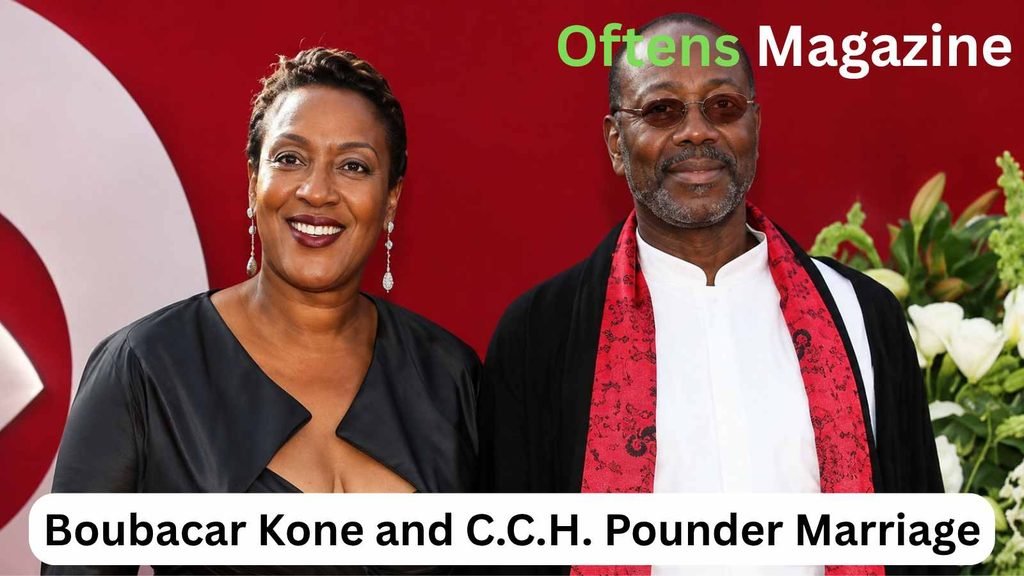
Boubacar Kone and C.C.H. Pounder shared a marriage that connected two different professional worlds. Pounder built her career as an actress, while Kone devoted much of his work to journalism and the arts. Their shared interest in African and Caribbean art became an important part of their life together. Rather than keeping their interest in art as a private hobby, they helped develop a collection and created a museum that welcomed artists and visitors.
Their relationship also involved years of work on projects that connected Senegal with the wider African diaspora. Together, they established Musée Boribana and later donated it to Senegal. Kone died in August 2016, bringing their life together to an end. Pounder has continued to speak about art and collecting in interviews, reflecting the importance of the collection and cultural work she shared with her late husband.
Their marriage was marked not only by family life but also by a shared commitment to African and diaspora art.
Boubacar Kone’s Children and Family Life
Kone maintained a relatively private family life despite his wife’s public career. His family is mentioned in his published obituary, which lists his wife, C.C.H. Pounder, and five children: Cheik, Aisha, Awa, Noah, and Mariama. The obituary also names three grandchildren. These details offer a glimpse of his family life, although the children’s individual lives and careers have not been widely covered in major biographical accounts.
Some online biographies give different names or numbers when discussing Kone’s children, so it is best not to add further details without a clear basis. His family’s privacy also means that information about their upbringing, daily lives, and personal relationships is limited. What can be said is that Kone’s life included both a long-term artistic partnership with Pounder and a family life that largely remained outside the spotlight.
Kone’s family was an important part of his life, even though many personal details remained private.
The Story Behind Musée Boribana in Dakar
Musée Boribana was a contemporary art museum established by Boubacar Kone and C.C.H. Pounder in Dakar, Senegal. The Senegalese culture ministry identifies its founding year as 1990, while Pounder’s own art-related profile describes the project as dating to 1992. The museum is located in the Ngor area of Dakar and is known for its distinctive building, designed in a shape resembling a grand piano.
The museum was created to support contemporary art and encourage exchange among artists from Senegal, other African countries, Europe, and the African diaspora. Its collection included paintings, sculptures, ceramics, tapestries, photographs, and videos. It also provided space for exhibitions, artist residencies, and documentation. These features allowed the museum to support artists and visitors in several ways, rather than functioning only as a traditional exhibition venue.
Musée Boribana became Kone’s best-known cultural project and a space dedicated to contemporary art and artistic exchange.
Why Boubacar Kone and C.C.H. Pounder Donated Musée Boribana to Senegal
On December 12, 2014, Boubacar Kone donated Musée Boribana to the state of Senegal. The transfer included the museum property and its art collection, giving the country an important cultural resource. The donation was significant because the museum had been built through private effort but was being placed in the care of the Senegalese state for the benefit of the wider public.
The museum’s focus on African and diaspora art made the donation especially meaningful. By transferring it to Senegal, Kone helped ensure that the institution could form part of the country’s cultural heritage rather than remain a privately owned collection. The donation also reflected his enduring connection to his homeland. Although the exact personal reasons behind the decision should not be overstated, the transfer itself was a clear contribution to Senegal’s cultural institutions.
The 2014 donation placed Musée Boribana in the hands of Senegal and preserved its role as a national cultural asset.
The Pounder-Kone Art Space and Their Work in Los Angeles
Boubacar Kone and C.C.H. Pounder also developed an art collection and cultural work connected with Los Angeles. Their interests extended beyond Senegal, focusing on artists from Africa, the Caribbean, and the African diaspora. Through collecting and supporting exhibitions, they helped bring attention to artists whose work explored identity, history, and cultural connections across different regions.
The Pounder-Kone name is associated with this wider commitment to art, although details about the specific operation and history of an art space in Los Angeles are less clear than those of Musée Boribana. Pounder has continued to discuss her art collection and its importance in interviews, including her efforts to share works through exhibitions. This continuing interest shows that the couple’s artistic work was not limited to one museum or one country.
Their art-related work connected African and diaspora artists with audiences in both Senegal and the United States.
Boubacar Kone’s Death and What Is Known About Its Cause
Boubacar Kone died on August 3, 2016, in Los Angeles, California. His death was reported in an obituary published by the Los Angeles Times. He was 73 years old, having been born in 1942. His death marked the loss of a cultural figure whose work had connected journalism, art collecting, and museum development.
The precise medical circumstances surrounding his death are not clearly detailed in the obituary. Some online biographies describe the cause as natural causes, but without a clear primary account explaining the circumstances, it is better not to present a specific medical explanation as a certainty. His passing was followed by tributes and continued interest in the museum and art collection he had helped develop with Pounder.
Kone died in Los Angeles in August 2016, leaving behind a legacy tied to African art and cultural preservation.
C.C.H. Pounder’s Reflections on Boubacar Kone and His Work
C.C.H. Pounder has continued to discuss the importance of art collecting and the cultural projects she shared with her late husband. In interviews about her collection, she has described their interest in contemporary African and diaspora artists and the role art played in their lives. Their work reflected a desire to understand how artists connected the past with present-day experiences and creative ideas.
Pounder has also spoken about the museum they donated to Senegal and her feelings about its condition after the transfer. In a 2026 interview, she recalled being deeply upset when she returned and saw the state of the building. Her comments show that the museum remained emotionally important to her long after Kone’s death. They also highlight the challenges of preserving a cultural institution after ownership changes hands.
Pounder’s reflections show how deeply the museum and their shared artistic ambitions mattered to her and Kone.
Boubacar Kone’s Lasting Contribution to African and Diaspora Art
Boubacar Kone’s lasting contribution lies in his efforts to create opportunities for contemporary African art to be displayed, discussed, and appreciated. Through Musée Boribana, he helped establish a cultural space where artists from Senegal, other parts of Africa, and the diaspora could share their work. The museum’s collection and exhibition facilities supported different forms of artistic expression, helping visitors engage with African culture beyond familiar historical images.
His work also demonstrated the value of connecting private cultural initiatives with public institutions. The 2014 donation of Musée Boribana to Senegal ensured that the museum became part of the country’s cultural heritage. Although many details of Kone’s personal life remain private, his role in developing the museum gives his story a clear focus. His contribution is remembered through the institution he helped create and the artistic connections it was designed to encourage.
Kone’s legacy is closely tied to Musée Boribana and his efforts to support contemporary African and diaspora art.
Frequently Asked Questions
1. Who was Boubacar Kone?
Boubacar Kone was a Senegalese journalist and cultural figure who helped establish Musée Boribana in Dakar with his wife, C.C.H. Pounder.
2. What was Boubacar Kone known for?
He was best known for his work in African art and for helping create Musée Boribana, a museum dedicated to contemporary art.
3. Was Boubacar Kone married to C.C.H. Pounder?
Yes. Kone was married to actress C.C.H. Pounder, and they shared an interest in collecting and promoting African and diaspora art.
4. How many children did Boubacar Kone have?
His published obituary lists five children: Cheik, Aisha, Awa, Noah, and Mariama.
5. What was Musée Boribana and why was it donated to Senegal?
Musée Boribana was a contemporary art museum in Dakar founded by Kone and Pounder. They donated it to the Senegalese state on December 12, 2014, making it part of the country’s cultural heritage.
6. When did Boubacar Kone die and what was the cause?
Kone died on August 3, 2016, in Los Angeles, California, at the age of 73. Some biographies report natural causes, but a specific medical cause is not clearly detailed in his obituary.
7. What was Boubacar Kone’s educational background?
He studied at the Institute of International Journalism in Strasbourg, France. He later became involved in journalism and cultural activities.
Conclusion
Boubacar Kone’s life brought together journalism, family, and a lasting interest in African culture. While many people recognize him as C.C.H. Pounder’s husband, his work with contemporary art deserves attention in its own right. His involvement in creating Musée Boribana in Dakar gave artists a place to display their work and encouraged cultural exchange between Africa and the diaspora. The donation of the museum to Senegal in 2014 became a defining moment in his legacy. Although he died in 2016, his contribution remains connected to the institution he helped build and the cultural vision he shared with Pounder.
