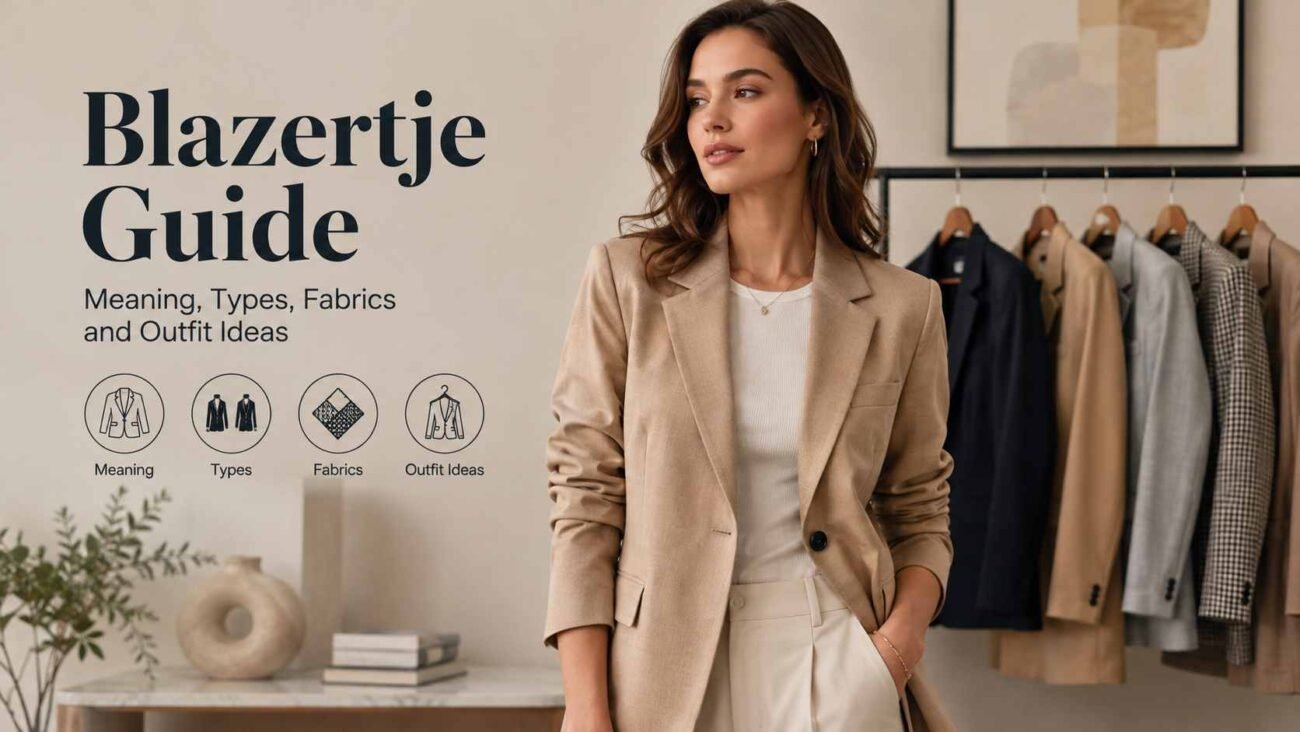
The word blazertje is a Dutch term related to the word “blazer.” It is commonly understood as a smaller or diminutive form of blazer, a jacket often worn for casual, business, and smart occasions. The term may appear in fashion discussions, clothing descriptions, and online searches, especially when people want to understand its meaning or how it is used.
A blazertje does not necessarily refer to one specific design or fit. Depending on the context, it may describe different blazer styles, from classic tailored jackets to relaxed, modern looks. In this guide, you will learn what blazertje means, how it differs from the general term “blazer,” and how to choose and style a blazer for different outfits and occasions.
What Does Blazertje Mean in Dutch?
The word blazertje comes from Dutch and is the diminutive form of blazer. In English, it can be understood as “a little blazer” or “a small blazer.” Dutch speakers sometimes use diminutive forms to suggest something small or to give a word a softer, more familiar tone. In fashion, the term generally refers to a blazer, although its exact meaning can depend on the context in which it appears.
A blazer is a jacket that can be worn with jeans, trousers, skirts, dresses, and other clothing. It is often associated with smart casual and formal outfits. However, the word blazertje does not automatically mean that the jacket must be cropped, fitted, or designed in a particular way. Understanding this distinction helps readers recognize the term without assuming that it describes a separate category of clothing.
The key point is that blazertje is a Dutch diminutive of blazer, not a name for one specific jacket design.
Is a Blazertje Different From a Regular Blazer?
The main difference is the word itself rather than a fixed difference in construction. A regular blazer is a type of jacket, while blazertje is the Dutch diminutive form of the same word. Depending on the context, the diminutive may suggest a smaller blazer or simply express a more familiar or affectionate way of referring to it.
In practical fashion terms, both words can refer to jackets with similar features, such as lapels, buttons, structured shoulders, and a tailored shape. Some blazers are short and fitted, while others are longer or more relaxed. You should not assume that every item described as a blazertje has a shorter length or a smaller fit unless the product description specifically says so.
A blazertje can look much like a regular blazer, so the surrounding description matters more than the word alone.
Why Is the Term Blazertje Used in Fashion?
The term blazertje may appear in Dutch fashion stores, online product listings, outfit descriptions, and conversations about clothing. Dutch commonly uses diminutive endings such as -tje to create a smaller or more familiar form of a noun. This makes the word a natural choice when discussing a blazer in Dutch.
For shoppers, recognizing the term can be useful when browsing Dutch-language websites or searching for clothing inspiration. However, the word itself does not tell you everything about a jacket’s material, quality, fit, or intended occasion. Those details should be checked in the full product description, photographs, and sizing information.
Knowing the meaning of blazertje can make Dutch fashion searches easier, but always check the actual garment details before buying.
What Does a Blazertje Look Like?
A blazertje can look like many different types of blazers because the term does not define one exact silhouette. It may refer to a traditional tailored jacket, a relaxed everyday layer, or a shorter design, depending on the item being described. Common blazer features include a front opening, lapels, buttons, and sleeves, although the exact design varies between products.
The overall appearance depends on the cut, fabric, color, and details. A structured blazer may create a polished appearance, while a loose design can feel more casual. Some versions work well with office clothing, whereas others are easy to pair with everyday outfits. When choosing a style, consider how you plan to wear it rather than relying on the name alone.
A blazertje can have different shapes and finishes, so its appearance depends on the specific blazer design.
Classic Tailored Blazers
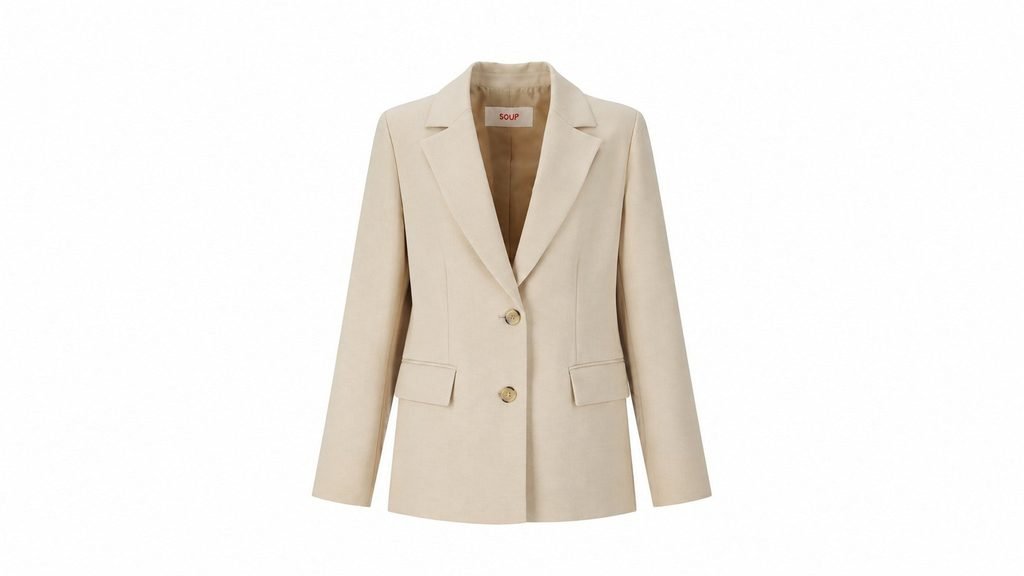
Classic tailored blazers have a structured shape that gives an outfit a neat and polished appearance. They commonly feature defined shoulders, lapels, a button fastening, and a cut designed to follow the body’s natural shape without feeling overly tight. Neutral colors such as black, navy, beige, and gray are popular because they work with many wardrobe basics.
This style is suitable for office outfits, meetings, dinners, and occasions that call for a smart appearance. You can pair a tailored blazer with matching trousers for a coordinated look or wear it with jeans and a simple top for a more relaxed combination. The right fit should allow comfortable movement while keeping the shoulders and sleeves in proportion.
A classic tailored blazer is a versatile choice for anyone who wants a clean, polished outfit.
Oversized and Relaxed Blazer Styles
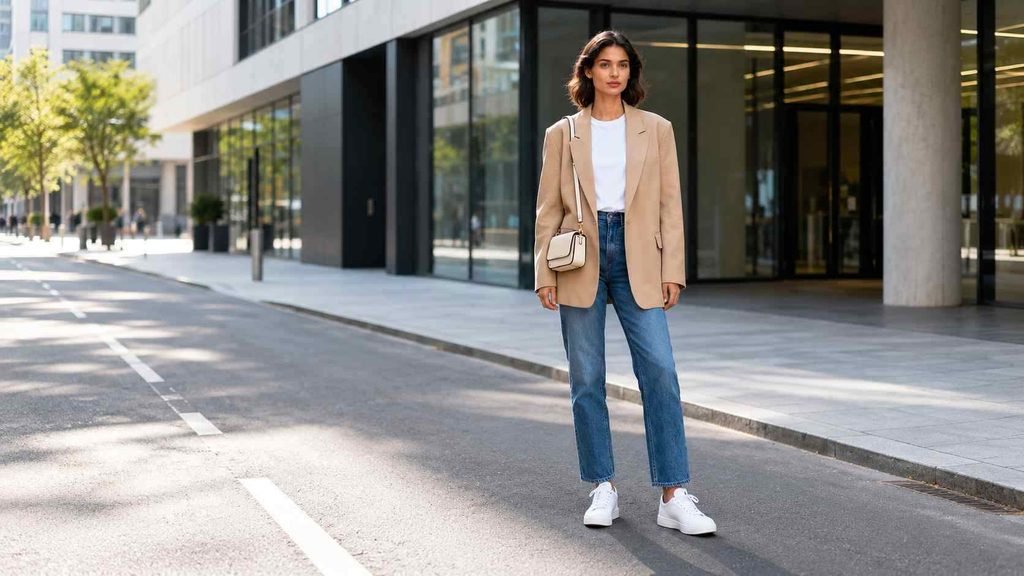
Oversized blazers have a looser fit, wider proportions, and often a longer shape than traditional tailored designs. They can create a relaxed, contemporary appearance without sacrificing the smart look associated with blazers. Depending on the cut, they may feature dropped shoulders, roomy sleeves, or extra space around the body.
For an everyday outfit, an oversized blazer can be worn over a basic T-shirt with straight-leg jeans and sneakers. For a more balanced appearance, pair it with a fitted top or streamlined trousers. Although the style is intentionally loose, the shoulders, sleeve length, and overall proportions should still feel comfortable rather than making the jacket difficult to wear.
An oversized blazer works best when its relaxed shape is balanced with simple, well-fitting pieces.
Cropped and Short Blazer Designs
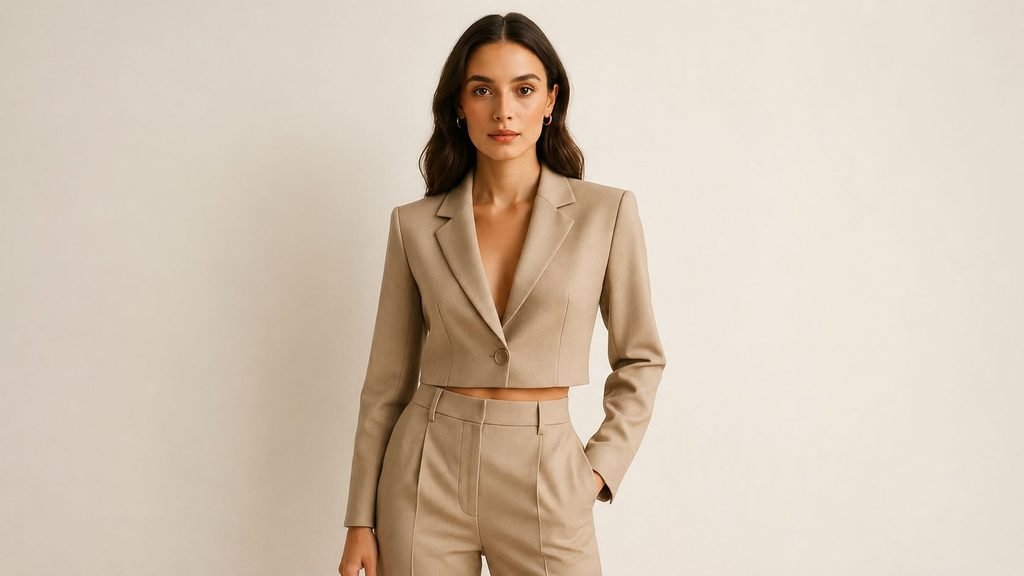
Cropped blazers have a shorter body length, often ending around the waist or just above it. This shape can create a defined waistline and pair especially well with high-waisted trousers, skirts, and jeans. Some designs have traditional lapels and buttons, while others use modern cuts or minimal detailing.
A short blazer can be useful when you want a layered outfit without covering too much of the clothing underneath. For example, a cropped blazer over a simple top and high-waisted jeans creates a balanced casual look. However, a cropped cut is only one possible blazer style; the word blazertje does not automatically mean that a jacket has a short body.
Choose a cropped blazer for its shorter silhouette, not simply because a product uses the Dutch term blazertje.
Single-Breasted and Double-Breasted Blazers
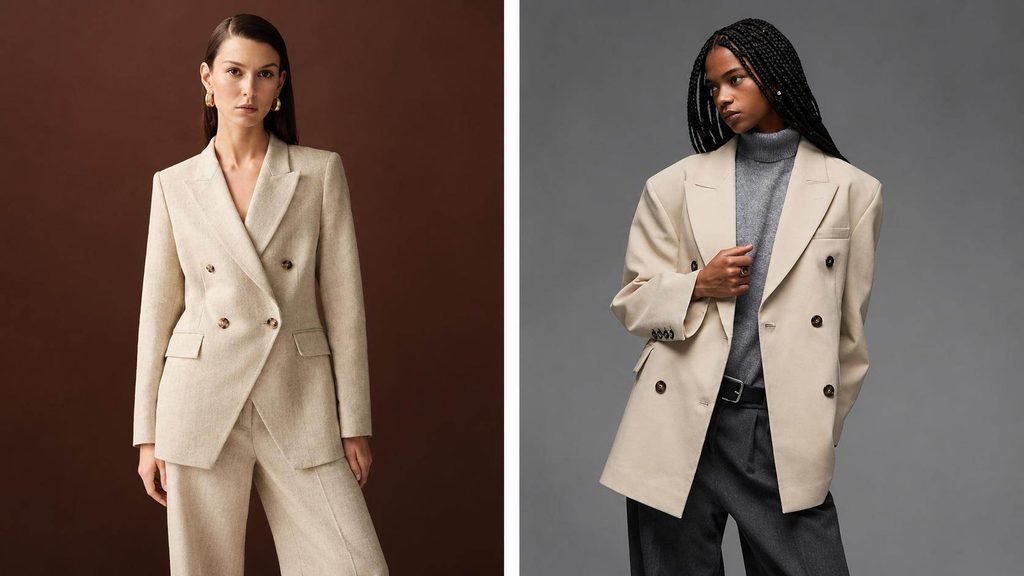
Single-breasted blazers generally have one row of buttons down the front. Their straightforward design makes them easy to style for work, casual outings, and semi-formal occasions. They can be fitted, relaxed, cropped, or long, so the fastening style does not determine the overall silhouette.
Double-breasted blazers usually feature two parallel rows of buttons and overlapping front panels. This creates a more structured appearance and can make an outfit look formal or fashion-forward, depending on the cut and fabric. Both designs can be styled with jeans, trousers, or skirts. Your choice should depend on your preferred look, comfort, and the occasions for which you plan to wear the jacket.
Single-breasted styles offer a simple, adaptable look, while double-breasted designs often create a more structured appearance.
Which Fabrics Are Best for a Blazertje?
The best fabric depends on the weather, intended use, and desired appearance. Since blazertje does not identify a particular fabric, a jacket described by this term may be made from cotton, linen, wool, polyester blends, or other materials. Each option has different characteristics, so checking the fabric label is important when comparing garments.
You should also consider how often you will wear the jacket and how much care it requires. A lightweight fabric may work well for everyday layering, while a more substantial material can provide extra warmth and structure. Fabric weight, lining, breathability, and maintenance instructions can all affect how comfortable and practical a blazer feels.
The right fabric should suit the climate, the occasion and the amount of care you are willing to give the garment.
Lightweight Fabrics for Warmer Weather
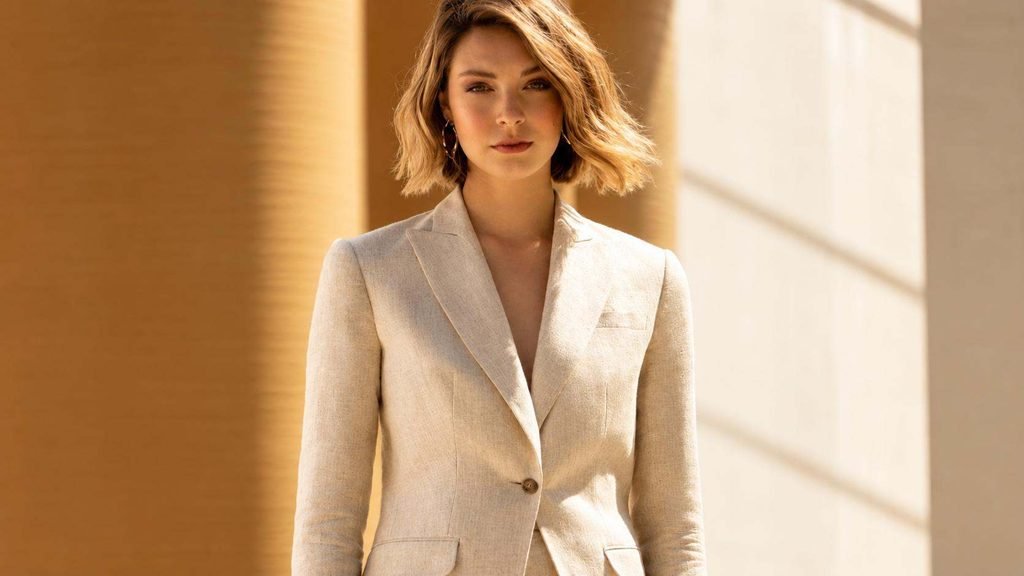
Cotton, linen, and lightweight fabric blends are useful options for warmer weather. Linen is known for its breathability and relaxed texture, although it tends to wrinkle more easily than many other materials. Lightweight cotton can provide a comfortable balance of structure and everyday practicality, while some blended fabrics are designed to be easier to maintain.
For a summer outfit, consider a lightweight blazer in beige, cream, light gray, or another color that complements your wardrobe. Pair it with a breathable top, lightweight trousers, or a skirt. If you expect to wear the jacket outdoors for long periods, check the fabric weight and lining, as a fully lined design may feel warmer than an unlined one.
For warm weather, prioritize breathable fabrics and a construction that feels comfortable throughout the day.
Wool and Other Heavier Fabrics for Cooler Seasons
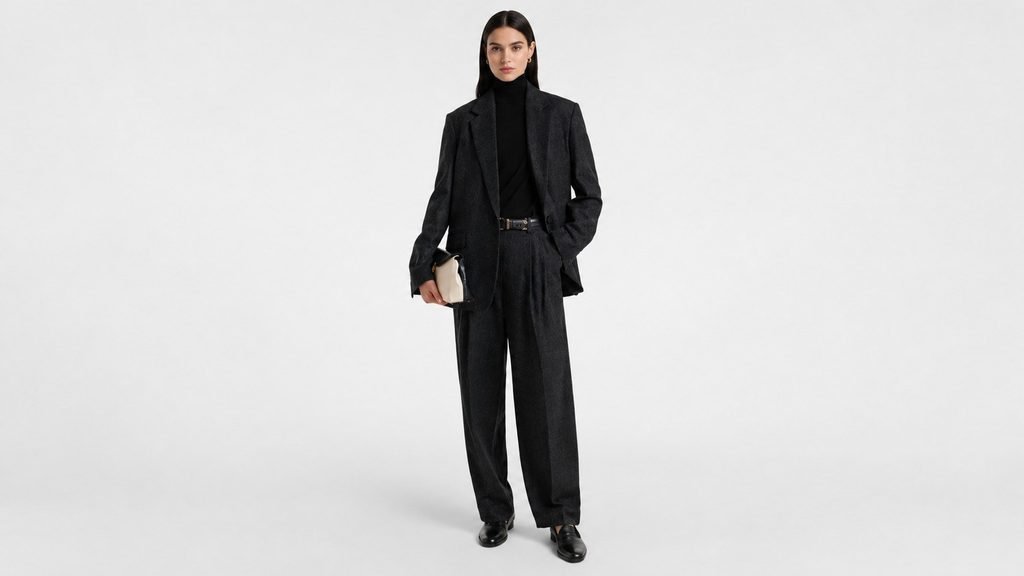
Wool and heavier fabric blends can be suitable for cooler conditions because they generally provide more warmth than lightweight summer fabrics. Wool blazers often have a structured appearance and work well with trousers, boots, knitwear, and other seasonal layers. Heavier blends can also help a jacket maintain its shape, although warmth varies according to the fabric composition and construction.
For autumn and winter, consider darker or deeper colors such as charcoal, navy, brown, and burgundy if they suit your personal style. A blazer can be layered over a fine-knit sweater or worn beneath a suitable coat when temperatures drop. Keep in mind that a blazer is not necessarily designed as outerwear for very cold or wet conditions, so its warmth depends on the specific garment.
Heavier fabrics are useful for cooler weather, but the lining, thickness, and layers underneath also affect warmth.
How to Style a Blazertje
Styling a blazertje is much like styling any other blazer. The easiest approach is to decide whether you want a casual, smart casual, or more formal outfit and then choose pieces that complement the jacket’s shape. A tailored blazer may work well with trousers, while an oversized design can create a relaxed look with everyday basics.
You do not need an entirely new wardrobe to wear a blazer successfully. Simple items such as jeans, plain tops, skirts, dresses, and comfortable shoes can work with many designs. Pay attention to proportion, color coordination, and the occasion so the final outfit feels natural rather than overly complicated.
A blazer becomes easier to style when you match its shape and formality to the rest of your outfit.
How to Wear a Blazertje With Jeans
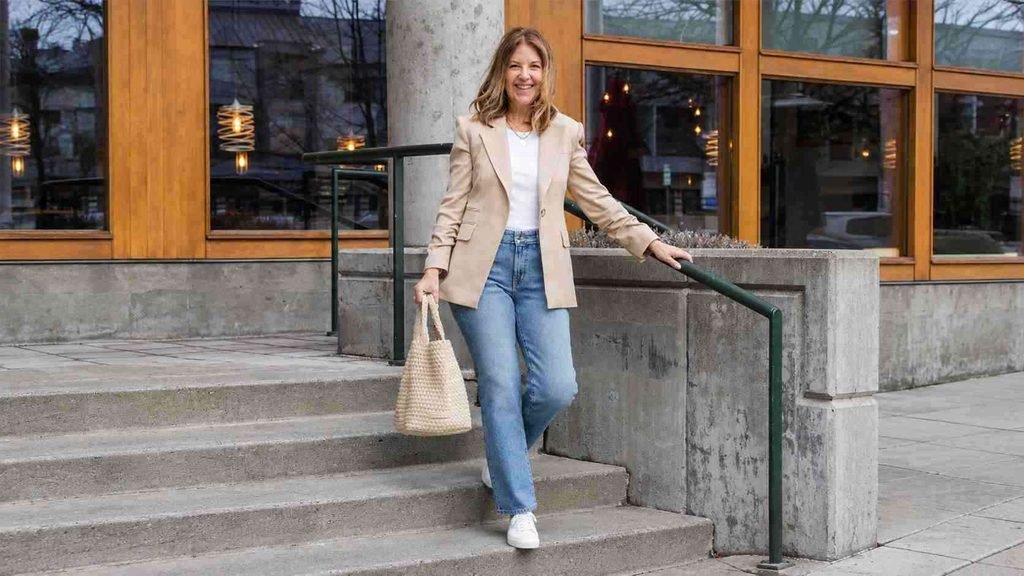
Pairing a blazer with jeans is an easy way to create a smart casual outfit. Straight-leg, slim, and wide-leg jeans can all work, depending on the blazer’s cut and your preferred silhouette. A simple T-shirt, knit top, or blouse underneath keeps the outfit versatile, while sneakers, loafers, ankle boots, or heels can change the overall feel.
For a balanced combination, try a fitted blazer with relaxed jeans or an oversized blazer with a simpler, more streamlined base. Neutral jackets are particularly easy to coordinate with blue or black denim, but brighter colors can add personality. The most important thing is that the pieces fit comfortably and suit the setting in which you plan to wear them.
A blazer, jeans and a simple top create an adaptable outfit that works for many everyday occasions.
How to Pair a Blazertje With Skirts and Dresse
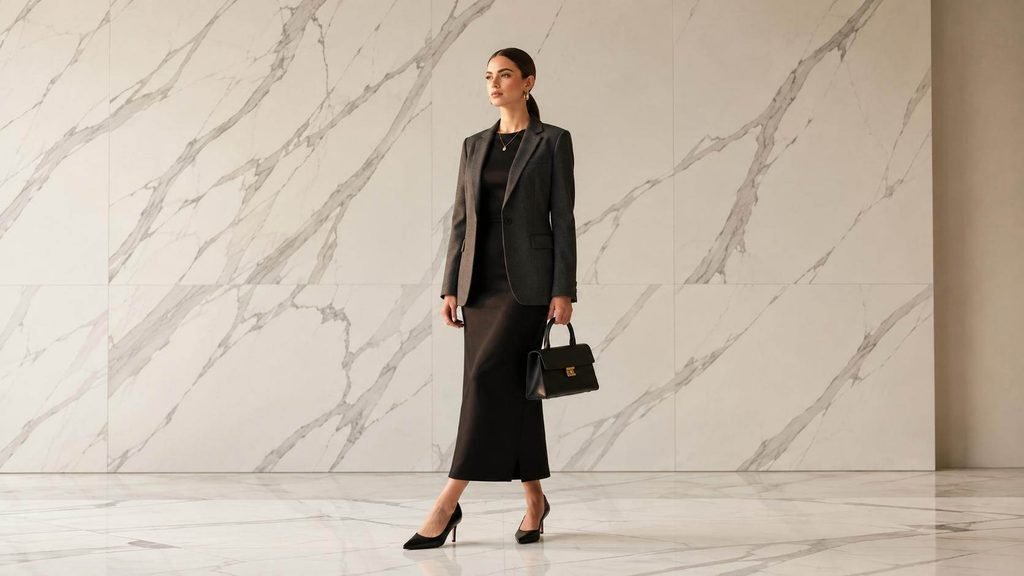
A blazer can add structure to a skirt or dress, making the outfit suitable for a variety of settings. A fitted design can work well with a flowing dress, while a relaxed blazer can add contrast to a simple skirt and top. Midi skirts, tailored skirts, and uncomplicated dresses are all possible combinations, depending on the jacket’s length and shape.
For a coordinated appearance, consider how the colors and proportions work together. A short blazer may complement a high-waisted skirt, while a longer style can pair nicely with a simple dress. Choose shoes and accessories according to the occasion, keeping the overall look comfortable and appropriate for the setting.
Pairing a blazer with a skirt or dress can create a polished outfit without requiring complicated styling.
How to Create a Smart Casual Outfit With a Blazertje
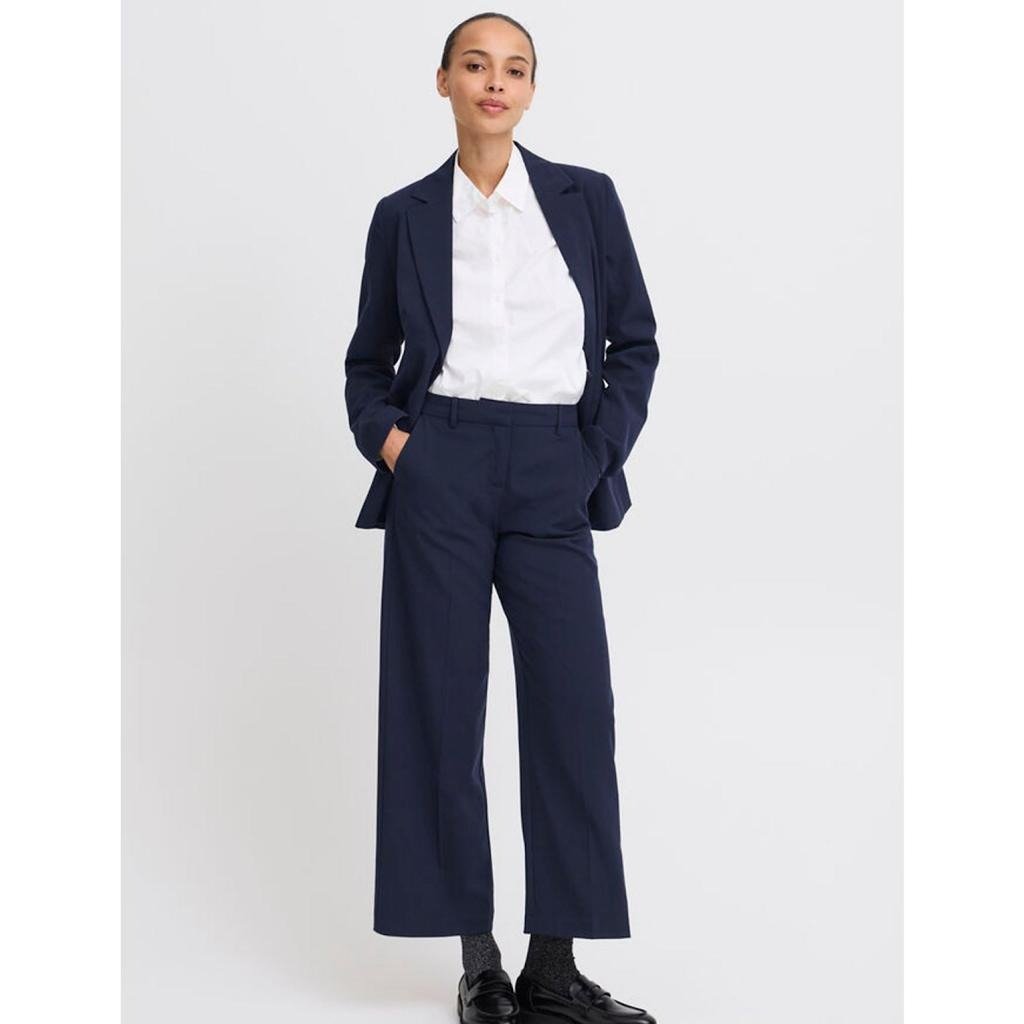
Smart casual clothing combines neat, polished pieces with more relaxed everyday items. A blazer is useful for this style because it can make a simple outfit look more put together without requiring a full formal suit. For example, you could wear a navy blazer with tailored trousers, a plain shirt, and loafers, or combine a neutral blazer with dark jeans and clean sneakers.
The appropriate level of formality depends on where you are going. A workplace may require tailored trousers and closed-toe shoes, while a casual lunch may call for jeans and a basic top. Pay attention to the dress code, since smart casual can mean different things in different environments.
For smart casual dressing, combine a polished blazer with comfortable pieces that suit the occasion.
How to Choose the Right Color for Your Outfit
Color can influence how easily a blazer fits into your existing wardrobe. Black, navy, gray, and beige are versatile choices because they work with a wide range of tops, trousers, and shoes. If you prefer a more noticeable look, colors such as green, burgundy, or lighter seasonal shades can add variety without changing the basic outfit structure.
Think about the clothes you already own before selecting a color. If most of your wardrobe consists of neutral shades, a neutral blazer may offer more outfit combinations. If you already have several basics, a more distinctive color can help you create different looks. You can also consider whether the jacket is intended for work, casual wear, or special occasions.
Choose a blazer color that complements your existing wardrobe and the occasions on which you will wear it.
How to Choose the Right Blazertje
Choosing the right blazertje involves more than finding a design you like. The jacket should fit comfortably, suit your intended use, and work with the clothing you already own. Consider the cut, fabric, color, lining, and fastening before making a decision. These details can influence both the appearance and practicality of the garment.
If you are shopping online, read the product description carefully and compare the listed measurements with a jacket you already own. Look at photographs from different angles when available, and check the return policy in case the fit is not right. Since the word blazertje does not guarantee a particular size or shape, use the actual product details to guide your choice.
The best blazer is one that fits well, suits your needs and is comfortable enough to wear regularly.
Finding the Right Fit and Length
A well-fitting blazer should sit comfortably across the shoulders without pulling or creating excessive gaps. The sleeves should allow easy movement, and the front should close comfortably if you intend to wear it buttoned. Length is also important: a cropped design creates a different silhouette from a hip-length or longer blazer, so choose according to your proportions and styling preferences.
Remember that fit depends on the garment’s cut, not just the size printed on the label. An oversized blazer is meant to offer more room, while a tailored design generally follows the body’s shape more closely. When shopping online, compare the size chart with your measurements and check whether the product is described as fitted, regular, relaxed, or oversized.
Prioritize comfortable shoulders, suitable sleeve length and a body length that works with your outfits.
Choosing a Blazertje for Different Occasions
The right blazer depends partly on where you plan to wear it. For work or professional settings, a structured design in a neutral color may be a practical choice. For everyday use, a relaxed blazer can pair easily with jeans and simple tops. For dinners or events, a more tailored cut or a distinctive color may suit the occasion, depending on the dress code.
Consider the weather and how the jacket will fit into your overall outfit as well. A lightweight, unlined design may be more comfortable in warmer conditions, while a heavier fabric may be more suitable for cooler days. If you need one blazer for several purposes, choose a versatile style that coordinates with different trousers, tops, and shoes.
Choose a blazer based on the occasion, climate and level of formality you need.
What to Look for When Buying a Blazertje
Before buying, check the fabric composition, measurements, fastening, lining, and care instructions. These details help you understand how the jacket may feel, fit, and perform during regular use. For online purchases, examine the photographs and read the full description rather than relying on the product name alone.
It is also helpful to consider durability and value. Look at the stitching, button attachment, seam finishing, and whether the fabric suits your intended use. A more expensive blazer is not automatically better, just as a lower-priced option is not necessarily poor quality. Compare the construction and practical details to decide whether the garment meets your needs.
Check the measurements, fabric, construction and care requirements before choosing a blazer.
Frequently Asked Questions
1. What Is the English Meaning of Blazertje?
Blazertje is a Dutch diminutive form of blazer. It can be translated as “little blazer” or “small blazer,” depending on the context.
2. Is Blazertje a Dutch Word?
Yes. Blazertje follows the Dutch diminutive pattern, in which a noun takes a form that can suggest smallness or familiarity.
3. Is a Blazertje the Same as a Blazer?
They are closely related terms. Blazertje is the Dutch diminutive of blazer, but the exact meaning in a product listing depends on its context.
4. Is a Blazertje a Specific Type of Jacket?
Not necessarily. The word does not define one fixed cut, fabric, or design. The garment may have different blazer styles and features.
5. Can You Wear a Blazertje Casually?
Yes. A blazer can be worn casually with jeans, T-shirts, simple tops, and sneakers. The best combination depends on the jacket’s fit and design.
6. How Do You Style a Blazertje With Jeans?
Pair it with jeans and a simple top, then choose sneakers, loafers, boots, or heels to suit the occasion. Balance the jacket’s shape with the fit of your jeans for a comfortable outfit.
Conclusion
A blazertje is a Dutch diminutive form of blazer, and understanding the term can help you navigate Dutch fashion descriptions and clothing searches. Although it may suggest a smaller blazer, it does not automatically refer to a cropped jacket or a separate fashion category. The actual design, fit, and fabric depend on the garment being described.
Whether you prefer a classic tailored blazer, an oversized style, or a cropped design, the most important factors are comfort, fit, fabric, and versatility. By checking product details and choosing pieces that complement your wardrobe, you can find a blazer that suits your style and works for different occasions.
