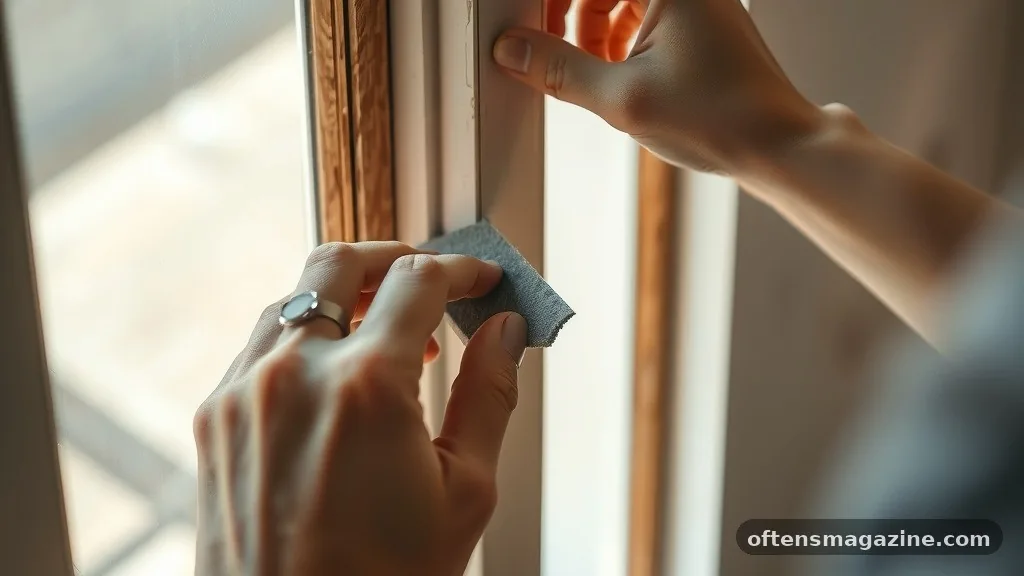
Fixing drafty windows without replacing them is often the smartest way to boost your home’s comfort and lower monthly utility bills. Many homeowners assume that a cold breeze near the glass means the entire unit is failing, but that is rarely the case. Most leaks happen because of degraded seals or gaps in the frame, which are simple to address with basic tools.
By applying a few targeted techniques to improve your insulation, you can stop the air from leaking in and keep your living space cozy all winter long. This approach saves you thousands of dollars while significantly increasing your energy efficiency, making it a highly practical project for any weekend.
Identifying the Source of Your Window Drafts
Before you start buying supplies, you need to pinpoint exactly where the air is entering your home. Not all drafts originate from the same spot, and treating the wrong area will leave you frustrated. The easiest way to find a leak is to wait for a windy day or use a simple tool like a lit incense stick or a candle held carefully near the frame.
Move the flame slowly along the perimeter of the window casing. When the smoke or flame flickers or dances, you have found a gap.
You should also look for visible wear and tear on the existing seals. If the rubber or felt weatherstripping looks flattened, cracked, or is missing in sections, that is your primary culprit. Many people make the mistake of assuming the glass itself is the problem, but in older houses, the window sash often pulls away from the frame over time.
Check the meeting rail where the two sashes overlap, as this is a notorious spot for air infiltration. If you can move the sash up and down or side to side with significant effort, the hardware might be loose, which prevents a tight seal when the window is locked.
Take your time during this inspection phase. Mark the spots where you feel air with a small piece of painter’s tape so you don’t lose track of them while you gather your materials. Sometimes, the draft isn’t coming from the glass at all, but from the gap between the window frame and the wall studs.
This often happens if the original installer didn’t use enough spray foam or fiberglass insulation around the rough opening. If you feel a breeze coming from the drywall area near the window trim, you might need to remove the trim and add expanding foam, which is a bit more involved but highly effective.
Applying Weatherstripping to Seal Gaps

Weatherstripping is perhaps the most effective method for stopping air leaks in movable windows. This material comes in various forms, including self-adhesive foam tape, V-strip tension seals, and felt strips. For most double-hung windows, foam tape is the easiest to apply.
Start by cleaning the surface of the frame thoroughly with rubbing alcohol or a mild soap solution. If the surface is dusty or greasy, the adhesive will fail within a few weeks, forcing you to redo the entire job.
Measure the length of the window channel where the sash meets the frame and cut the weatherstripping to size. Peel the backing off and press it firmly into place, ensuring it isn’t so thick that the window becomes impossible to close.
A common mistake here is using weatherstripping that is too bulky, which puts excessive pressure on the window latch and can eventually break the locking mechanism. You want just enough material to create a snug contact point without preventing the window from functioning properly.
If you have casement windows that crank open, look for bulb-style seals. These are designed to compress as the window closes, creating a very tight barrier against the elements. If you are working on a rental property and want a non-permanent solution, look for removable weatherstripping that doesn’t leave a sticky residue behind.
You can find these at most hardware stores, and they provide a great way to improve your home’s thermal performance without damaging the frames. Once the strips are in place, test the window by locking it to ensure the seal compresses evenly across the entire length of the gap.
Using Window Insulation Film for Glass Efficiency
If your windows are single-paned, they are likely losing heat through the glass itself, not just around the edges. Window insulation film is a thin, clear plastic that you apply to the interior frame with double-sided tape and then shrink tight using a standard hair dryer.
This process creates an air pocket between the film and the glass, which acts as a secondary layer of insulation. It is an incredibly affordable way to stop drafts and prevent condensation from forming on the inside of your windows during cold snaps.
The key to a professional-looking finish is the preparation of the frame. Ensure the wood or vinyl is completely dry and free of debris before applying the double-sided tape. If you rush this step, the tape will peel off as soon as the plastic begins to shrink.
When you start heating the film, move your hair dryer in a slow, sweeping motion. Don’t hold the dryer in one spot for too long, as the heat can cause the plastic to melt or tear. You want to see the wrinkles disappear as the material pulls taut across the window opening.
One common mistake people make is trying to save money by using standard plastic wrap from the kitchen. This will not work because it lacks the heat-shrink properties required to create a tight, clear seal. Always purchase a dedicated window insulation kit designed for this purpose.
If you have decorative trim that makes it hard to tape, you can sometimes apply the tape to the wall immediately surrounding the window frame instead. While this covers a bit more area, it is just as effective at trapping air and keeping the draft at bay.
Installing Draft Stoppers and Decorative Barriers
Sometimes, the simplest solution is the best one. A draft stopper, often called a “draft snake,” is a weighted fabric tube that you place at the bottom of a window sill.
These are perfect for windows that don’t open often or for situations where you need a quick fix that doesn’t require any permanent installation. You can buy them in a variety of styles to match your decor, or you can easily make your own by filling a long fabric tube with dried beans, rice, or fabric scraps.
These work by physically blocking the path of the air before it can circulate into your room. They are particularly useful for windows that have a slight sag, leaving a gap between the bottom sash and the sill that is difficult to seal with standard weatherstripping.
If you choose to make your own, ensure the material is heavy enough to stay in place. A lightweight fabric will shift when the wind blows hard, defeating the purpose of the barrier.
For a more permanent but still DIY-friendly option, consider installing heavy thermal curtains. These curtains are made from thick, multi-layered fabric designed specifically to block light and trap heat. By mounting them as close to the window frame as possible, you create an additional layer of insulation that prevents cold air from entering the room.
Make sure the curtains are wide enough to overlap the edges of the window frame by at least a few inches on each side. This minimizes the air escape at the sides, ensuring the draft stays behind the fabric where it belongs.
Addressing Caulking and Frame Gaps
Even if your window sashes are tight, the frame itself might be leaking where it meets the siding or interior trim. Over time, the caulk around the exterior of your windows can crack and peel, allowing water and air to seep into the wall cavity.
On the interior, the trim might have pulled away from the wall, leaving small gaps that allow cold air to travel through the wall structure. To fix this, you will need a tube of high-quality, paintable silicone or acrylic latex caulk and a caulking gun.
For the exterior, remove any loose or crumbling old caulk using a putty knife or a specialized caulk removal tool. Clean the area thoroughly and apply a fresh bead of exterior-grade caulk, smoothing it with a finger or a caulk-finishing tool to ensure a watertight seal. This not only stops drafts but also protects your home from moisture damage and rot.
On the interior, look for gaps between the window casing and the wall. If the gaps are small, a bit of caulk will do the trick. If they are larger, you may need to use a foam backer rod first to fill the void before applying the caulk.
A common mistake is using the wrong type of caulk for the job. Always check the label to ensure it is suitable for the surface you are working on, whether it is wood, vinyl, or aluminum.
If you are working on the interior, opt for a paintable formula so you can touch up the area to match your wall color. Taking the time to seal these perimeter gaps is often the final step in truly eliminating drafts, as it addresses the structural integrity of the window assembly rather than just the moving parts.
Frequently Asked Questions
Can I use tape to seal my windows for the winter?
You can use specialized painter’s tape or window-sealing tape for a temporary fix, but avoid using duct tape or masking tape. Standard tapes leave behind a stubborn, sticky residue that is extremely difficult to remove and can actually strip the paint or finish off your window frames.
Will these solutions work for windows in a rental apartment?
Yes, most of these methods are non-destructive and easy to remove when you move out. Foam weatherstripping, window film, and draft snakes are all excellent choices for renters because they don’t require drilling or permanent adhesive applications that would damage the property.
How do I know if my window frame is rotted?
If the wood feels soft, spongy, or crumbles when you press it with a screwdriver, you likely have rot. If the rot is extensive, simple sealing won’t work, and you will eventually need to replace the affected wood or the entire window unit to prevent further structural damage.
What is the most effective DIY method for stopping drafts?
There isn’t one single “best” method, but combining techniques is usually the most effective approach. For example, using weatherstripping to seal the sash and then adding heavy thermal curtains provides both a mechanical barrier and an insulating layer that significantly outperforms any single solution on its own.
Do drafty windows always mean I need a replacement?
Not at all. Many homeowners rush to replace windows when they feel a breeze, but most of the time the issue is just an old seal or a lack of proper insulation around the frame. Trying these DIY solutions first can often resolve the problem for a fraction of the cost of a full window replacement.
Moving Forward with Your Window Project
Improving the thermal efficiency of your home doesn’t have to involve expensive contractors or major renovations. By systematically inspecting your frames and applying the right materials, you can successfully manage the issue of fixing drafty windows without replacing them. Start with the simplest fixes, like draft stoppers or weatherstripping, to see immediate results.
If you still feel a chill, move on to window film or perimeter caulking to tighten up the entire system. These small, consistent improvements make a massive difference in how your home feels during the colder months.
Don’t be afraid to take your time and address each window individually, as every frame in your house might require a slightly different touch. Feel free to reach out if you have questions about specific materials or need advice on tackling a particularly stubborn leak.
