Introduction
Healthy skin starts with a consistent cleansing routine that removes dirt, excess oil, sweat, and other impurities. However, people with oily or acne-prone skin often need more than an ordinary cleanser to manage clogged pores and frequent breakouts. This is where a salicylic acid face wash can become a useful addition to a daily skincare routine. Salicylic acid is a beta hydroxy acid (BHA) known for its exfoliating properties and ability to help loosen the buildup of oil and dead skin cells that can contribute to blocked pores.
When used correctly, a salicylic acid cleanser may help improve the appearance of blemishes, reduce excess oil, and support smoother-looking skin. Understanding how it works, how to use it, and which precautions to follow can help you achieve better results without unnecessary dryness or irritation.
What Is Salicylic Acid Face Wash?
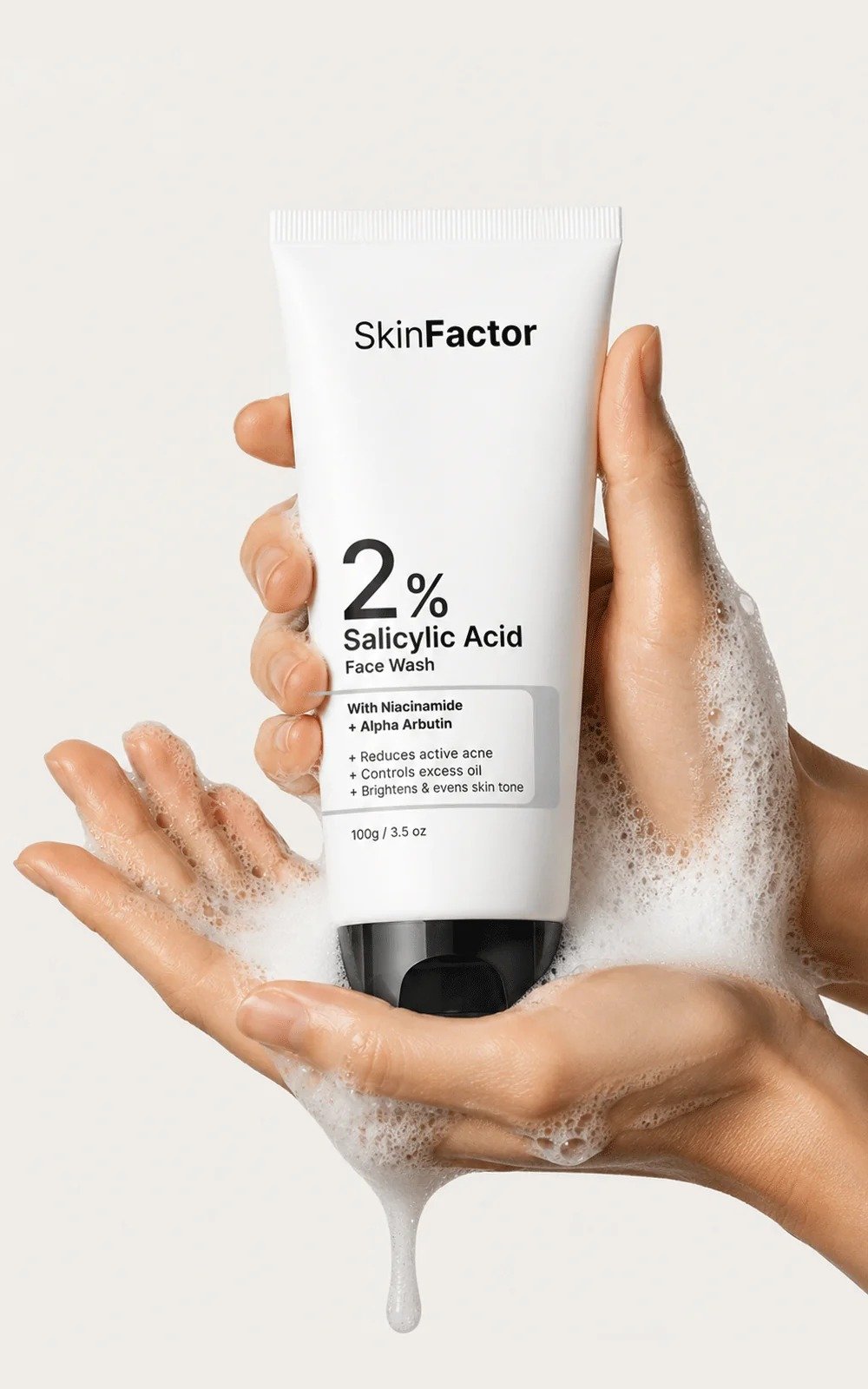
A salicylic acid face wash is a cleanser formulated with salicylic acid to help remove impurities and exfoliate the skin. Unlike a basic cleanser, which mainly focuses on washing away surface dirt and oil, salicylic acid also helps loosen dead skin cells that accumulate around pores.
Salicylic acid is oil-soluble, meaning it can interact with oily areas of the skin. This property makes it particularly useful for people who experience blackheads, whiteheads, clogged pores, and excess shine. It is commonly included in skincare products designed for oily and blemish-prone skin.
However, every skin type is different. While some people tolerate salicylic acid well, others may experience dryness, redness, or irritation. Choosing an appropriate formula and introducing it gradually are important steps toward maintaining healthy-looking skin.
How Does Salicylic Acid Help With Acne?
Acne can develop when excess oil, dead skin cells, and other factors contribute to blocked hair follicles. These blockages may appear as blackheads, whiteheads, or inflamed pimples. Salicylic acid helps loosen the buildup of dead skin cells inside pores, making it a useful ingredient for managing certain types of acne.
Regular use of a suitable salicylic acid face wash may help reduce the appearance of clogged pores and support a clearer complexion. It can be particularly helpful for people who frequently experience blackheads and whiteheads around the nose, forehead, and chin.
Nevertheless, salicylic acid is not a guaranteed solution for every form of acne. Deep, painful, cystic, or persistent breakouts may require professional treatment. A cleanser can support an acne-care routine, but it may not be sufficient on its own to address more severe skin concerns.
Salicylic Acid Face Wash for Oil Control
Excess sebum, the natural oil produced by the skin, can leave the face looking shiny and may contribute to clogged pores. People with oily skin often notice increased shine throughout the day, especially around the forehead, nose, and chin.
A salicylic acid face wash helps cleanse away excess surface oil while exfoliating dead skin cells. With consistent use, it may help oily skin feel fresher and appear less congested. This makes it a practical option for people who want to manage shine without adding multiple complicated steps to their skincare routine.
It is important to understand that cleansing does not permanently stop oil production. The skin needs some natural oil to maintain its protective barrier. Washing too frequently or using harsh products can cause dryness and irritation without providing better oil control.
For best results, choose a gentle cleanser and follow it with a lightweight, non-comedogenic moisturiser.
How Salicylic Acid Supports Pore Care
Pores are natural openings in the skin that allow sebum and sweat to reach the surface. Their appearance can become more noticeable when they contain excess oil and dead skin cells.
Salicylic acid supports pore care by helping remove the buildup associated with clogged pores. This may make blackheads less noticeable and create a smoother-looking skin texture over time.
Although skincare products can improve the appearance of pores, they cannot permanently close them. Pore visibility is influenced by genetics, skin type, age, and oil production. A consistent cleansing routine, moisturising, and daily sun protection can help maintain a healthier-looking complexion.
Avoid squeezing blackheads or aggressively scrubbing the skin. These habits may increase irritation and can sometimes lead to inflammation or marks.
How to Use Salicylic Acid Face Wash Correctly
Using a salicylic acid cleanser properly is essential for balancing its benefits with skin comfort. Follow these steps to establish a simple routine.
Step 1: Wet your face. Use lukewarm water to prepare your skin for cleansing. Very hot water may worsen dryness and irritation.
Step 2: Apply the cleanser. Use a small amount of salicylic acid face wash and gently massage it over your face. Follow the product label regarding contact time and avoid the eyes and lips.
Step 3: Rinse thoroughly. Remove the cleanser completely with lukewarm water. Do not scrub aggressively or use rough cleansing tools.
Step 4: Apply moisturiser. Use a moisturiser suited to your skin type to support the skin barrier and reduce the risk of dryness.
Step 5: Use sunscreen in the morning. Apply broad-spectrum sunscreen with SPF 30 or higher during the day to protect your skin from ultraviolet damage.
If you are new to salicylic acid, begin with a few applications per week and increase frequency only if your skin tolerates it and the product instructions allow. Some formulations are suitable for more frequent use, but daily cleansing is not necessary for everyone.
Is Salicylic Acid Face Wash Suitable for Every Skin Type?
Salicylic acid cleansers are generally most suitable for oily and acne-prone skin. People with combination skin may also benefit, particularly in areas that experience excess shine or clogged pores.
Dry or sensitive skin requires additional caution because salicylic acid may cause tightness, flaking, or irritation. In these cases, a lower-strength formulation or a gentler cleanser may be more appropriate. People with eczema, a damaged skin barrier, or significant skin sensitivity should seek professional advice before introducing exfoliating products.
Avoid applying salicylic acid to broken or severely irritated skin unless a healthcare professional recommends it. Stop using the product if you develop persistent burning, swelling, or significant redness.
Common Mistakes to Avoid
One common mistake is using a salicylic acid face wash too frequently in the hope of clearing acne faster. Excessive use may damage the skin barrier and make the skin uncomfortable.
Another mistake is combining several exfoliating products at the same time. Using salicylic acid alongside strong exfoliating acids, retinoids, or other potentially irritating treatments may increase dryness and irritation, particularly when introduced without a gradual plan.
Skipping moisturiser is another problem. Even oily skin benefits from hydration, and a lightweight moisturiser can help maintain the skin barrier. Finally, avoid expecting overnight results. Improvements in clogged pores and acne often take several weeks of consistent, appropriate use.
Conclusion
A salicylic acid can be a valuable part of a skincare routine focused on acne, oil control, and pore care. By helping loosen dead skin cells and remove excess oil, it may reduce the appearance of blackheads, whiteheads, and clogged pores while supporting smoother-looking skin.
The key to getting the most from this ingredient is choosing a suitable formula, using it according to its instructions, moisturising regularly, and protecting your skin with sunscreen. Avoid excessive cleansing and harsh product combinations, as these can lead to irritation rather than better results.
With patience and a consistent approach, salicylic acid can help support clearer-looking skin. If acne remains persistent, becomes painful, or leaves scars, consult a qualified dermatologist for a treatment plan suited to your skin’s needs.
