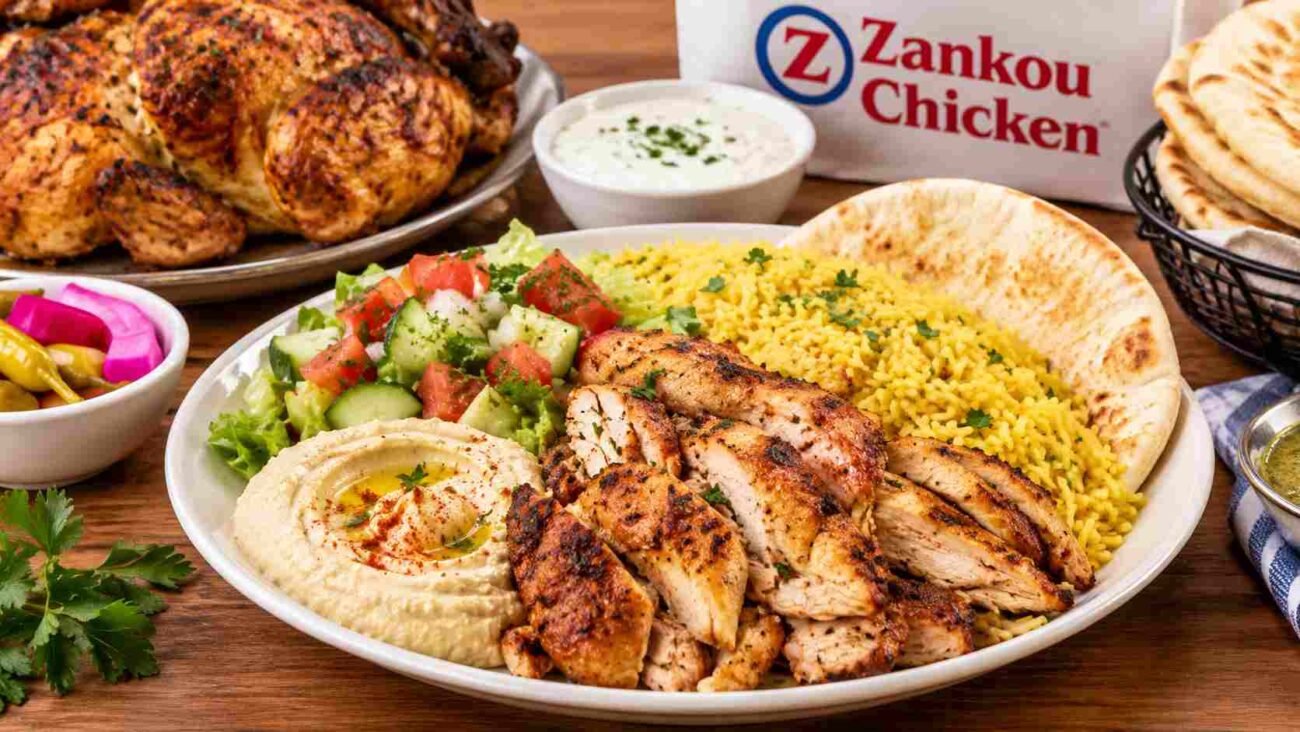
Zankou Chicken is a popular Mediterranean restaurant known for its rotisserie chicken, chicken tarna, shawarma, kabobs, wraps, and signature garlic sauce. Whether you are counting calories, trying to eat more protein, or simply making healthier food choices, understanding Zankou Chicken nutrition facts can help you decide what to order. The nutritional value of your meal depends on the items you choose, portion sizes, cooking methods, and extras such as pita bread, rice, hummus, and sauces.
In this guide, you will learn about Zankou Chicken calories, protein, carbohydrates, fat, and sodium across different menu items. You will also discover how sides and sauces can affect your total calorie intake, which meals may suit a high-protein diet, and how to make lighter choices without giving up your favorite Mediterranean flavors. Since nutrition can vary by serving size and preparation, exact values should be treated carefully when restaurant-specific figures are not provided.
The key is to consider your entire meal, including sides and sauces, rather than looking at the chicken alone.
Zankou Chicken Nutrition Facts at a Glance
Zankou Chicken offers several Mediterranean-style meals, including rotisserie chicken, chicken tarna, shawarma, kabobs, wraps, plates, and salads. Each option has a different nutritional profile depending on the ingredients and serving size. Chicken is generally a source of protein, while rice and pita bread provide carbohydrates. Sauces, dressings, and added oils can contribute extra fat and calories, so the full meal matters when you are tracking your daily intake.
The exact nutrition facts for a particular Zankou Chicken order may vary depending on the portion, side dishes, and amount of sauce you choose. Calories, protein, carbohydrates, total fat, and sodium are the main values to consider when comparing menu items. If you need precise numbers, look for nutrition details for the specific item and serving size rather than relying on estimates for a similar dish.
Your total nutrition depends on the portion size, ingredients, sides and sauces you choose.
Zankou Chicken Calories by Menu Item
The calories in a Zankou Chicken meal depend on what you order and how it is served. A serving of rotisserie chicken on its own differs from a chicken wrap made with pita bread and sauce or a plate served with rice and hummus. Salads can also vary in calories depending on their toppings, dressing, and protein portion. For this reason, comparing menu items by name alone may not give you an accurate picture of their calorie content.
When checking calories, consider everything included in your order. A meal with chicken, rice, pita bread, hummus, and garlic sauce contains calories from each component. If the restaurant provides serving-specific nutrition information, use it to compare individual items and complete meals. Avoid assuming that a particular dish is low in calories simply because it contains chicken or vegetables.
Compare complete meals and serving sizes instead of judging calories by the main ingredient alone.
Zankou Chicken Rotisserie Chicken Nutrition Facts
Rotisserie chicken is one of the main choices at Zankou Chicken and can provide a good amount of protein. Its nutritional value depends on the cut you eat, the portion size, the preparation, and whether you include the skin. Chicken breast and darker meat do not have identical nutritional profiles, and eating the skin generally adds fat and calories compared with eating the meat without it.
If you want to track your intake, consider how much chicken you actually eat rather than using the nutrition value for an entire bird or a different serving. Also account for garlic sauce, pita bread, rice, and other sides served with your meal. Chicken can fit into a balanced diet, but the total nutritional value of your order depends on the whole plate.
Rotisserie chicken can be a protein-rich choice, but the cut, skin, portion and sides affect its nutrition.
Zankou Chicken Chicken Tarna Nutrition Facts
Chicken tarna is a popular option for people who enjoy seasoned, sliced chicken in a Mediterranean-style meal. It can provide protein, but its total calories and fat depend on the portion size and preparation. The nutritional value also changes according to how you order it, whether in a sandwich, wrap, or plate with sides. Bread, rice, sauces, and other additions contribute to the total calories and carbohydrates of the meal.
If you are monitoring your nutrition, pay attention to the complete serving rather than the chicken alone. A chicken tarna plate with rice and garlic sauce will have a different nutritional profile from a serving of chicken with vegetables. For accurate calorie and macronutrient tracking, use restaurant-specific figures when available and make sure the serving size matches your order.
Chicken tarna can supply protein, while bread, sides and sauces determine much of the meal’s overall nutritional profile.
Zankou Chicken Shawarma Nutrition Facts
Shawarma is a seasoned meat dish commonly served in wraps, sandwiches, or plates. At Zankou Chicken, the nutrition of a shawarma order depends on the type of meat, serving size, preparation, and accompanying ingredients. A wrap may include bread, vegetables, and sauce, while a plate may come with rice or other sides. Each component contributes to the overall calorie, carbohydrate, fat and sodium content.
When choosing shawarma, think about your dietary goals and how the dish is prepared. If you want more protein, pay attention to the amount of meat in the serving. If you are watching calories or carbohydrates, consider the bread, rice, and sauces included in your meal. Exact nutrition figures should be based on the specific Zankou Chicken item rather than estimates for shawarma from another restaurant.
The meat, serving size, bread and sauce all influence the nutrition of a shawarma meal.
Zankou Chicken Kabob Nutrition Facts
Kabobs are another option for people who enjoy grilled Mediterranean-style food. Chicken kabobs can provide protein, while their calorie and fat content depends on the meat cut, marinade, cooking oil, and portion size. The sides served with kabobs also matter. A plate with rice, pita bread, and sauce will have a different nutritional profile from grilled chicken served with vegetables.
For a balanced meal, consider pairing your kabobs with vegetables and choosing sides according to your needs. If you are counting calories, remember to include marinades, oils, and sauces where applicable. If you are tracking protein, focus on the amount of chicken in your actual serving. Restaurant-specific nutrition figures are the best way to calculate exact totals.
Grilled chicken kabobs can be a useful protein option, but preparation and sides affect the final nutrition.
Zankou Chicken Wrap Calories and Nutrition
A Zankou Chicken wrap combines chicken with bread and other ingredients, which makes it convenient for lunch or dinner. Its nutrition depends on the filling, size of the wrap, vegetables, and sauces. Chicken contributes protein, while the bread provides carbohydrates. Creamy or oil-based sauces can add fat and calories, and additional fillings may change the overall nutritional value.
If you are tracking calories, look at the complete wrap rather than counting the chicken alone. You can also consider how the wrap fits into your daily needs and whether you want to pair it with a side dish. Adding fries or another side increases the total calories of the meal. For precise numbers, use nutrition information that matches the exact wrap and serving size you order.
The calories in a wrap come from the chicken, bread, sauces and other fillings combined.
Zankou Chicken Plate Calories and Nutrition
A Zankou Chicken plate usually includes a main protein along with sides, depending on the selected meal. The nutritional value can vary considerably because the amount of chicken, rice, hummus, pita bread, and sauce may differ between plates. Chicken provides protein, rice and bread supply carbohydrates, and sauces or added oils may contribute fat. Portion size is especially important when calculating the calories in a complete plate.
To understand the nutrition of your order, consider each component separately and add the values together when accurate figures are available. If you want a meal with more protein, check the amount of chicken included. If you are monitoring calories or carbohydrates, pay attention to the rice, bread, and sauces. Avoid using nutrition figures for a different plate, because different combinations can produce different totals.
A plate’s total calories depend on every included item, not just the chicken.
Zankou Chicken Bowl and Salad Nutrition Facts
Bowls and salads can offer a convenient way to combine chicken with vegetables and other ingredients. Their nutritional value depends on what is included. A salad with chicken and fresh vegetables has a different profile from a bowl containing rice, hummus, dressing, and sauce. Vegetables can contribute fiber and micronutrients, while chicken adds protein. Rice and other grains contribute carbohydrates, and dressings may add fat and calories.
When selecting a bowl or salad, check the ingredients and serving size before estimating its nutrition. A salad is not automatically low in calories, especially when it contains generous amounts of dressing, oil, or other calorie-dense toppings. Similarly, a bowl can provide a satisfying combination of protein and carbohydrates, depending on its ingredients. Choose the combination that suits your appetite and nutritional goals.
The ingredients and dressing matter just as much as the name of the bowl or salad.
Zankou Chicken Sides Nutrition Facts
Sides can make a significant difference to the total nutrition of a Zankou Chicken meal. Options such as rice, hummus, pita bread, and other accompaniments contribute different amounts of calories, carbohydrates, fat, protein, and sodium. For example, rice and pita bread are sources of carbohydrates, while hummus generally provides a combination of carbohydrates, fat, and some protein. The exact values depend on portion size and preparation.
When tracking your meal, remember to include every side you eat. Ordering several sides may increase your total calorie intake even when your main protein is a relatively simple serving of chicken. If you want a lighter meal, consider which sides you enjoy most and choose portions that suit your needs. For precise tracking, use serving-specific nutrition figures instead of assuming that all restaurant sides have the same nutritional value.
Sides contribute to your meal’s total calories and should be included in your nutrition calculations.
Zankou Chicken Garlic Sauce Calories and Nutrition
Garlic sauce is a popular accompaniment to Zankou Chicken meals and can add a rich, creamy flavor. Its nutritional value depends on the recipe and ingredients used. Garlic sauces made with oil or other fat-rich ingredients can contain a substantial amount of calories and fat in a small serving. The exact calorie count for Zankou Chicken’s garlic sauce should not be assumed without nutrition information for the specific product and serving size.
If you are monitoring calories or fat, pay attention to how much sauce you use. A small amount can add flavor, while a larger portion increases the nutritional contribution to your meal. You do not necessarily need to avoid the sauce; instead, consider the amount alongside your other food choices. When tracking exact values, look for restaurant-specific figures that match the quantity you consume.
Garlic sauce can add flavor, but its portion size can also affect your total calorie and fat intake.
Zankou Chicken Pita Bread, Rice and Hummus Calories
Pita bread, rice, and hummus are common accompaniments to Mediterranean-style meals, and each contributes different nutrients. Pita bread and rice are primarily sources of carbohydrates, although their complete nutritional profiles include other nutrients as well. Hummus is typically made with chickpeas, tahini, and other ingredients, so it provides carbohydrates, some protein, and fat. The exact calories in each serving depend on the recipe and portion size.
When building your meal, consider how these sides fit with your chicken and any sauces. Choosing several carbohydrate-rich sides together can increase the total carbohydrate and calorie content of the meal. Hummus also contributes calories, so the amount served matters if you are tracking your intake. Use the nutrition information for the actual serving whenever possible rather than relying on a general value for a different brand or restaurant.
Pita bread, rice and hummus each contribute to your meal’s total nutrition, so portion sizes matter.
Zankou Chicken Protein, Carbs, Fat and Sodium
Protein, carbohydrates, fat, and sodium are four important nutrients to consider when reviewing Zankou Chicken nutrition facts. Protein mainly comes from chicken and can help support muscle maintenance and repair. Carbohydrates come from foods such as pita bread and rice, while fat can come from chicken skin, cooking oils, and sauces. The amount of each nutrient depends on the menu item, recipe, and serving size, so one nutrition estimate will not apply to every meal.
Sodium is another factor to consider, especially if you are monitoring your salt intake. Seasonings, marinades, sauces, and other prepared ingredients can contribute sodium to a restaurant meal. To compare options accurately, check the nutrition information for the specific item and include all the sides and sauces you eat. If exact figures are unavailable, avoid treating estimated macronutrient or sodium values as precise measurements.
Consider all four nutrients together to understand how a Zankou Chicken meal fits your dietary needs.
How Many Calories Are in a Zankou Chicken Meal?
The calories in a Zankou Chicken meal depend on your main dish, portion size, and choice of sides. A serving of chicken by itself will have a different calorie total from a complete plate containing chicken, rice, pita bread, hummus, and garlic sauce. Wraps and sandwiches also include bread and fillings, which contribute to the final calorie count. For this reason, there is no single calorie figure that accurately represents every Zankou Chicken meal.
To estimate your meal’s total, check the calories for each item you order and add them together when serving-specific figures are available. Remember to include sauces, drinks, and additional sides rather than counting only the main dish. If you are tracking daily calories, consistency in portion sizes will help you make more meaningful comparisons between meals. When restaurant-specific figures are not available, any calculation should be treated as an estimate.
Your meal’s total calories depend on the entire order, including sides, sauces and drinks.
Is Zankou Chicken Healthy?
Zankou Chicken can fit into a balanced diet, depending on what you order and how much you eat. Chicken provides protein, while vegetables can contribute fiber, vitamins, and minerals. Rice and pita bread provide energy through carbohydrates, and hummus can contribute fiber and unsaturated fats. However, the nutritional balance of a meal depends on its ingredients, portion sizes, cooking methods, and accompanying sauces.
A restaurant meal can also contain considerable sodium, fat, or calories depending on its preparation and combination of foods. This does not mean you must avoid your favorite dishes. Instead, consider your overall eating pattern and individual dietary needs when choosing what to order. If you have a specific dietary restriction, review the ingredients and nutrition details for the particular item before making your decision.
Zankou Chicken can be part of a balanced diet when your meal choices match your nutritional needs.
Healthiest Things to Order at Zankou Chicken
If you want a balanced meal at Zankou Chicken, consider options that combine a suitable portion of chicken with vegetables and sides that meet your needs. Rotisserie chicken, chicken tarna, or chicken kabobs may provide protein, depending on the serving and preparation. Adding vegetables can contribute fiber and micronutrients, while a moderate portion of rice or pita bread can provide carbohydrates for energy.
The best choice also depends on how the food is prepared and what comes with it. A chicken dish served with several sides and generous amounts of sauce can have a different nutritional profile from a simpler serving. Look at the full meal rather than assuming that one menu category is automatically healthier than another. If you need to manage sodium, calories, or another nutrient, check the available nutrition information before ordering.
A balanced meal combines an appropriate protein portion with vegetables and sides suited to your needs.
Lowest-Calorie Zankou Chicken Menu Options
Finding a lower-calorie meal at Zankou Chicken starts with comparing complete menu items and their serving sizes. A simpler chicken order with vegetables may contain fewer calories than a wrap or plate with several sides and sauces, but the exact difference depends on the recipe and portions. Removing or reducing calorie-dense additions can also change the overall total without requiring you to give up the main dish you enjoy.
If calorie tracking is your goal, check the restaurant’s nutrition information for the exact items you are considering. Pay attention to bread, rice, hummus, dressings, and garlic sauce, since these additions contribute to your total intake. Avoid assuming that a salad, grilled item, or smaller-looking meal is automatically the lowest-calorie choice. Comparing actual serving-specific figures is the best way to identify the option that suits your target.
Choose lower-calorie options by comparing complete servings and adjusting extras to suit your needs.
High-Protein Zankou Chicken Meals
Chicken-based meals can be useful for people who want to increase their protein intake. Rotisserie chicken, chicken tarna, and chicken kabobs are options to consider, although their protein content varies with the type of chicken, serving size, and preparation. A meal with a larger chicken portion may provide more protein than one with a smaller portion, but it can also contain more calories. The accompanying sides affect the overall nutritional balance.
When choosing a high-protein meal, check how much chicken is included and whether the restaurant provides protein figures for that serving. Consider your overall dietary needs rather than focusing on protein alone. Rice, pita bread, vegetables, and hummus can complement a chicken meal, while sauces may contribute additional calories and fat. For accurate comparisons, use the nutrition information for the exact menu item and serving size.
For a higher-protein meal, pay attention to the amount of chicken and the nutrition of the complete serving.
How to Eat at Zankou Chicken on a Low-Carb Diet
If you follow a low-carb diet, focus on the ingredients in your Zankou Chicken order. Chicken itself contains virtually no carbohydrates when prepared without carbohydrate-containing coatings or sauces, while pita bread and rice are important sources of carbohydrates in many Mediterranean meals. Hummus, vegetables, and sauces can also contribute carbohydrates, although their amounts vary by ingredient and serving size.
You can make more informed choices by checking the menu components before ordering and adjusting portions to your dietary needs. For example, you might choose a chicken-based meal with non-starchy vegetables and limit bread or rice if you are trying to reduce carbohydrates. Do not assume that every sauce or salad is carbohydrate-free, and remember that low-carb does not automatically mean low-calorie. If you follow a strict carbohydrate limit, use item-specific nutrition information whenever possible.
A low-carb order focuses on chicken and suitable vegetables while accounting for carbohydrates in sides and sauces.
How to Reduce Calories in Your Zankou Chicken Order
You can adjust your Zankou Chicken order in several ways if you want to reduce calories while still enjoying your meal. Consider choosing a portion that matches your appetite, selecting vegetables as a side when available, and being mindful of calorie-dense additions such as garlic sauce. You can also review whether you need every side included in a meal or would prefer a simpler combination of chicken and one accompaniment.
Another useful step is to compare the nutrition of complete menu items before deciding what to order. A wrap, plate, and chicken-only serving may differ substantially because of their ingredients and portion sizes. You do not have to eliminate every food you enjoy; the goal is to make choices that fit your overall calorie needs. When available, restaurant-specific nutrition information can help you understand the effect of each adjustment.
Small changes to portions, sides, and sauces can help you manage the calories in your meal.
Are Zankou Chicken Nutrition Facts Official or Estimated?
Nutrition figures are most useful when they come from information provided by the restaurant for a specific menu item and serving size. However, figures published by third-party food databases or calorie-tracking apps may be estimates rather than values supplied directly by Zankou Chicken. These estimates can differ because recipes, portion sizes, preparation methods, and ingredient assumptions may not match the food served at the restaurant.
Before relying on a calorie or macronutrient figure, check where it comes from and whether it describes the same item you plan to order. Be particularly careful when comparing a chicken-only serving with a wrap or a complete plate. If an official nutrition breakdown is not available for a particular dish, treat third-party figures as approximate rather than exact. This approach can help you track your meals without placing too much confidence in potentially different serving sizes.
Always distinguish restaurant-provided nutrition figures from estimates, and match the serving size to your actual order.
Frequently Asked Questions
1. How many calories are in Zankou Chicken?
Calories vary by menu item, portion size, and sides. Check the nutrition details for your specific order.
2. How much protein does Zankou Chicken have?
Chicken dishes provide protein, but the amount depends on the type of chicken and serving size.
3. Is Zankou Chicken high in calories?
Some meals can be calorie-dense, especially when served with rice, pita bread, and sauces.
4. How many calories are in Zankou Chicken garlic sauce?
The exact calories depend on the sauce recipe and serving size. Check restaurant-specific nutrition details when available.
5. Is Zankou Chicken good for weight loss?
It can fit into a weight-loss plan when your portions and overall calorie intake match your goals.
6. What is the healthiest meal at Zankou Chicken?
A balanced option may include chicken, vegetables, and suitable portions of sides, depending on your nutritional needs.
7. Does Zankou Chicken have low-carb options?
Chicken with non-starchy vegetables can be a lower-carb choice. Limit bread and rice if you are reducing carbohydrates, and check sauces for added carbs.
Conclusion
Understanding Zankou Chicken nutrition facts can help you make informed decisions about calories, protein, carbohydrates, fat, and sodium. The restaurant offers different chicken dishes, wraps, plates, salads, and sides, but their nutritional values vary according to ingredients, preparation, and portion sizes. Looking at the complete meal is more useful than focusing only on the chicken, especially when sauces, rice, pita bread, or hummus are included.
Whether your goal is weight management, higher protein intake, or reducing carbohydrates, compare the specific menu items that fit your needs. Use restaurant-specific nutrition figures when available, and treat estimates as approximate when exact values are not provided. You can still enjoy your favorite Mediterranean flavors while making choices that support your overall eating habits.
