If you drive, or you’re about to, basic car maintenance stops being background knowledge pretty quickly. A weird smell, a warning light, or a shaky brake pedal can turn a normal day into an expensive one. You don’t need to think like a mechanic, but you do need to understand the systems that keep your car safe and reliable. Once you know what matters, routine maintenance gets a lot less confusing and a lot more manageable.
Your Car Has a Maintenance Schedule for a Reason
You can get away with ignoring a messy room for a while. You can’t do that with a car and expect the same result. Every vehicle has service intervals tied to mileage, time, driving conditions, and component wear. Oil changes, tire rotations, brake inspections, coolant checks, and battery testing all sit on that schedule because parts degrade at different rates.
If you mostly drive short distances, sit in traffic, or deal with extreme heat or cold, your maintenance timeline can tighten up. That matters because stop-and-go driving stresses fluids, brakes, and engine components more than steady highway driving. Your owner’s manual gives you the factory baseline, but real-world use often tells a different story. Following that schedule is less about perfection and more about preventing small issues from becoming repair-shop emergencies.
Fluids Are the Fastest Way to Spot Trouble Early
When people think about car maintenance, they usually jump straight to engine oil. Fair enough, but your car runs on a whole network of fluids. Transmission fluid supports gear changes. Coolant manages engine temperature. Brake fluid transfers hydraulic pressure. Power steering fluid, in older systems, helps you steer without fighting the wheel. Windshield washer fluid won’t save your engine, but it does matter when visibility drops fast.
You don’t need to become a diagnostic technician overnight. You just need to notice changes. Fresh oil has a different look and feel than oil that’s overdue. Coolant shouldn’t look rusty or murky. Brake fluid shouldn’t be ignored for years. If you want a simple way to understand terms like dipstick, viscosity, serpentine belt, or tread depth, this basic car maintenance glossary gives you a clean starting point without burying you in shop language.
Tires Affect More Than Just Flat Risk
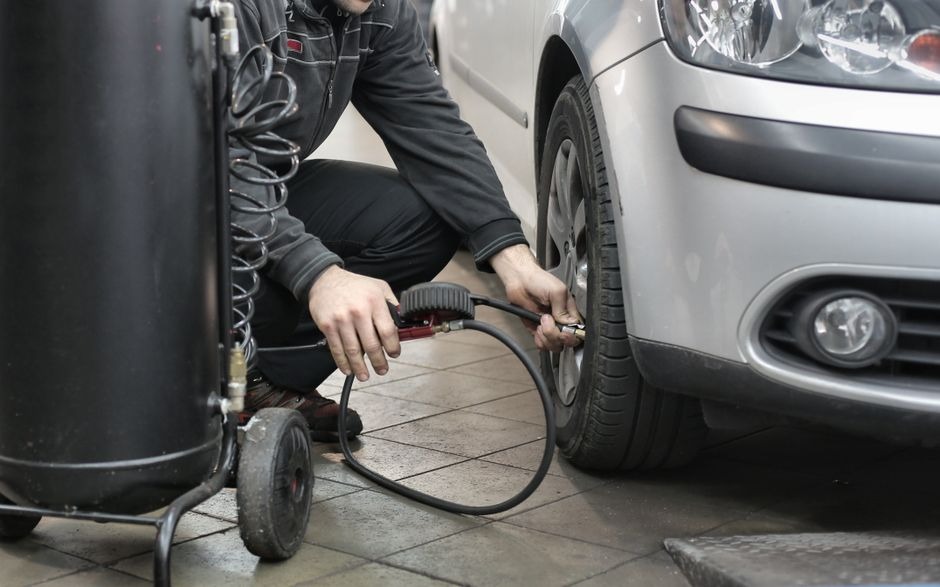
A lot of drivers treat tires like they only matter when one goes flat. In reality, they shape handling, fuel economy, braking distance, and ride quality every time you’re on the road. Underinflated tires create more rolling resistance, wear unevenly, and can overheat. Overinflated tires can reduce traction and make the ride harsher. Neither condition does you any favors.
You should check tire pressure regularly, not just when the dashboard warning comes on. Tread depth matters too, especially in rain, where hydroplaning becomes a real risk. Rotate your tires based on your manufacturer’s recommendation so wear stays more even across all four corners. If your steering wheel shakes at highway speed or the car pulls to one side, you may be looking at alignment or balancing issues rather than a bad road. Tires often tell you something is off before another component does.
Brakes Usually Warn You Before They Fail
Brake systems rarely go from perfect to useless without giving you clues first. You might hear squealing, feel vibration through the pedal, notice longer stopping distances, or sense that the car dips harder than usual under braking. Those signs deserve attention quickly. Brake pads wear down over time, and if you keep driving past that point, the rotors can take damage too.
Modern braking systems depend on friction materials, hydraulics, sensors, and electronic controls working together. Anti-lock braking systems help you maintain steering control in hard stops, but they don’t cancel out worn hardware. If the brake pedal feels spongy, brake fluid contamination or air in the lines could be part of the problem. If the ABS light appears, the system needs diagnosis, not guesswork. Safe braking is one of those areas where waiting to “see if it gets worse” can become a very expensive experiment.
Warning Lights Aren’t Just Suggestions
Dashboard lights have a reputation for being annoying, mostly because many drivers hope they’ll disappear on their own. Sometimes they do. That doesn’t mean the issue solved itself. Your check engine light can signal anything from a loose gas cap to an ignition misfire, emissions fault, or failing sensor. Battery, oil pressure, coolant temperature, and brake warnings deserve immediate attention because they point to systems that can trigger severe damage or safety problems.
A scan tool can read diagnostic trouble codes, but the code itself is only part of the story. Proper diagnosis also includes symptoms, live data, service history, and inspection. That’s where people get tripped up. Replacing the part named by a code isn’t always the fix. If a warning light appears and your car starts running rough, overheating, or shifting strangely, driving it like normal can multiply the repair bill fast. Early response usually gives you more options and lower cost.
Battery and Charging Problems Show Up at the Worst Time
Nobody thinks about the battery until the car won’t start in a parking lot when they’re already late. Batteries weaken gradually through age, heat exposure, vibration, and repeated short trips that don’t fully recharge them. Corroded terminals, a worn alternator, or a failing starter can create similar symptoms, which is why testing matters more than guessing.
Slow cranking is one of the most common early signs. Flickering interior lights or electrical glitches can show up too. If your battery is a few years old, especially in a hot climate, periodic testing is worth doing before it leaves you stranded. Charging-system problems can also affect sensor performance, ignition, and onboard electronics. Cars rely heavily on stable voltage now, so weak electrical health doesn’t stay isolated for long. It can ripple into issues that seem unrelated if you don’t catch it early.
Seasonal Changes Put Different Stress on the Same Vehicle
Your car doesn’t face the same workload all year. Summer heat can thin fluids, strain the cooling system, and accelerate battery wear. Winter hits tire pressure, cold-start performance, wiper efficiency, and traction. Rainy seasons put extra importance on tread depth, brakes, and defroster performance. The maintenance basics stay the same, but the pressure points shift.
That means your routine should adapt. Before winter, check battery strength, tire condition, coolant protection, and heater function. Before summer road trips, inspect belts, hoses, fluid levels, and air conditioning performance. If you live in a place with harsh weather swings, seasonal prep isn’t extra credit; it’s practical risk management. You’re not trying to make the car perfect. You’re trying to reduce the odds of getting blindsided by a preventable failure when weather already makes every small problem harder to deal with.
