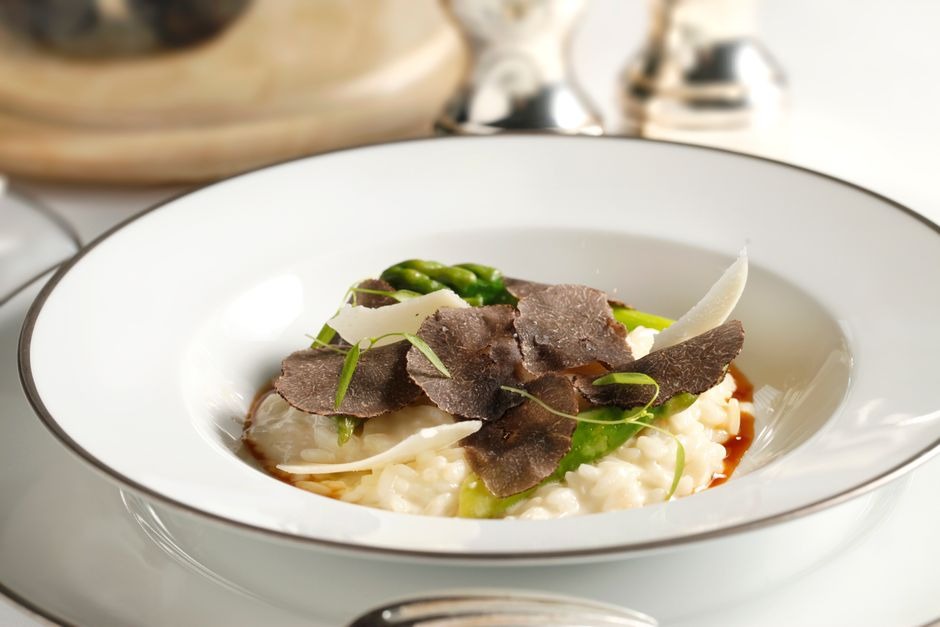
You probably think of risotto as one of those dishes that demands total attention, constant stirring, and a level of patience that doesn’t fit a school night or a busy workday. That reputation is only half true now. With the right method, you can get the creamy texture and layered flavor risotto is known for without standing over the stove for 40 minutes. Spring vegetables, especially asparagus, make that shortcut feel fresh rather than lazy.
The biggest mistake people make with Instant Pot risotto
Most bad pressure-cooked risotto comes from trying to make it exactly like stovetop risotto or, oddly, like plain rice. Neither approach works. If you keep opening the lid, stirring excessively, or improvising liquid ratios, you lose the speed and consistency that make the method useful.
On the other side, if you dump everything in and expect perfect rice without a finishing step, the dish can taste flat. Good risotto still needs attention after pressure cooking. You usually stir in cheese, butter, lemon, herbs, or vegetables once the pressure drops. That final mixing stage is where the texture turns glossy and loose instead of stiff.
A reliable formula helps. If you want to see a well-tested version of Instant Pot risotto with asparagus, pay attention to how the rice, stock, and asparagus are timed rather than just scanning the ingredient list.
Why pressure-cooked risotto changes the usual rules
Classic risotto relies on gradual starch release. You add hot stock in stages, stir often, and watch the rice closely so it stays creamy instead of turning gluey. A pressure cooker changes the mechanics. Inside the pot, heat and steam push liquid into the rice fast, so the grains cook evenly while still releasing enough starch to create that rich texture.
That shift matters if you want restaurant-style results with less hands-on work. You still need the right rice, usually Arborio, Carnaroli, or Vialone Nano. Long-grain rice won’t give you the same body. The pressure method also narrows the margin for error. Too much liquid can leave you with soup. Too little can leave the rice underdone. Precision starts to matter more than stirring endurance.
What asparagus brings to the dish beyond color
Asparagus looks good in risotto, but it does more than brighten the bowl. It brings bitterness, sweetness, and a clean grassy flavor that cuts through the richness of butter, cheese, and starch. That contrast keeps the dish from feeling heavy after a few bites.
Texture is just as important. Thick asparagus spears can stay pleasantly firm if you slice them well and add them at the right moment. Thin asparagus cooks much faster and can go limp if you treat it the same way. You’ll get better results if you separate the tips from the stems. The stems need a little more cooking time, while the tips are delicate enough to fold in near the end.
If your asparagus tastes woody, the lower stalks were probably too tough to begin with. Trim aggressively. Risotto rewards ingredients that are ready to cooperate.
How to build flavor before the lid even locks
Pressure cooking is fast, which means your flavor base needs to be intentional from the start. You don’t have half an hour for ingredients to slowly deepen in the pot. Start by sautéing onion or shallot in butter or olive oil until soft, not browned. Garlic can work too, but it burns easily and can take over the dish if you add too much.
Toasting the rice for a minute or two is worth it. That quick step gives the grains a slightly nutty edge and helps them hold structure. A splash of dry white wine can add acidity, though you should let the harsh alcohol smell cook off before sealing the pot.
Stock matters more than people admit. Weak broth leads to bland risotto, and no amount of Parmesan can fully rescue it. Use a stock you’d willingly sip from a mug.
How to keep the texture creamy instead of heavy
Creamy risotto doesn’t actually need cream. What you’re after is emulsification: starch from the rice combining with butter, cheese, and liquid into a smooth sauce. If you add too much dairy too early, the texture can become thick in a dull, pasty way instead of fluid and shiny.
When the rice finishes cooking, stir with purpose. You want enough movement to activate the starch, but not so much that the grains break apart. The finished risotto should spread slightly on the plate, not sit in a rigid mound.
Temperature also changes the texture fast. Risotto tightens as it sits. If it looks perfect in the pot and stiff on the table five minutes later, nothing unusual happened. Keep a little extra hot stock nearby and loosen it just before serving. That small adjustment makes leftovers from “fine” turn into “actually good.”
Pairings and add-ins that make sense with asparagus
Asparagus already gives you a strong seasonal identity, so the smartest add-ins support it instead of competing with it. Lemon zest is one of the best choices because it sharpens the whole dish without making it sour. Parmesan adds salt and umami. Pecorino can work, but it’s stronger and easier to overdo.
Peas are a natural match if you want more sweetness and color. Fresh herbs such as parsley, chives, tarragon, or mint can add lift, though you only need a small amount. A poached egg on top turns the risotto into a more filling meal, especially if you’re serving it for brunch or lunch.
What usually doesn’t help: too many earthy ingredients at once. Mushrooms, truffle oil, asparagus, and heavy cheese can push the dish in conflicting directions. Pick one clear flavor path and let it stay focused.
What this dish says about how home cooking is changing
Pressure-cooked risotto reflects a bigger shift in how you cook now. People still care about technique, but they also want methods that respect time, cleanup, and real schedules. That doesn’t mean standards are lower. It means the definition of skill is changing. Knowing which traditional steps matter and which ones can be updated is a skill of its own.
This is where modern home cooking gets interesting. You’re not choosing between convenience and quality in such a dramatic way anymore. You’re learning systems. A dish once treated like a weekend project can fit into a Wednesday dinner plan if you understand the variables.
That makes asparagus risotto more than a spring recipe. It becomes a practical example of how classic dishes survive: not by staying frozen in old rules, but by adapting without losing what made them worth cooking in the first place.
