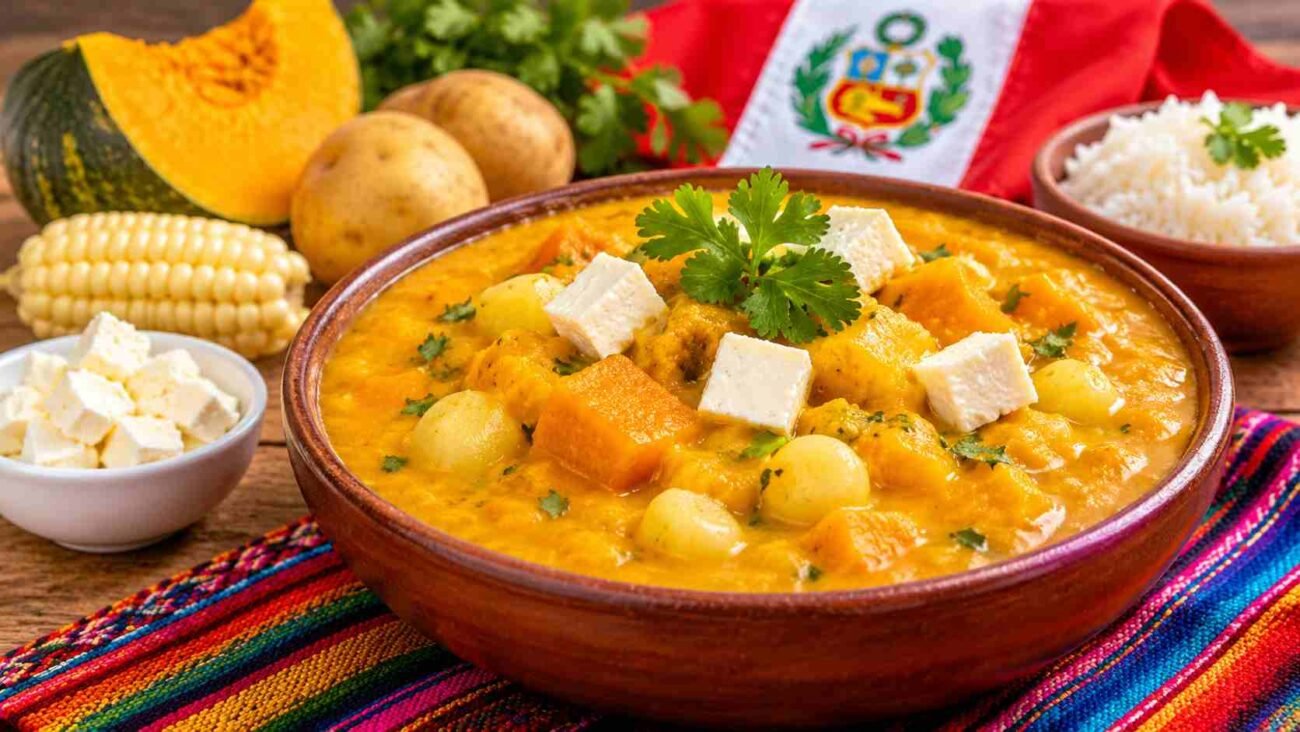
Locro de zapallo is one of Peru’s most comforting dishes a thick, golden squash stew that’s creamy, mildly spicy, and packed with potato, corn, and queso fresco. But here’s the catch: it’s not on every Peruvian menu, and finding a good bowl near you takes a little know-how. This guide shows you exactly where to look, what menu details to watch for, and how to tell a well-made locro from a rushed one so your next bowl is worth the search.
Where Can You Find Locro de Zapallo Near You?
Finding locro de zapallo near you starts with knowing where to look, as this dish is not available on every Peruvian restaurant menu. A good starting point is to search for Peruvian restaurants in your area and check their menus through official websites or delivery platforms such as Uber Eats, DoorDash, and Toast. Several restaurants provide examples of what you might find. Machu Picchu in Somerville, Massachusetts, lists locro de zapallo for $16.00, prepared with Andean potatoes, squash, fava beans, choclo, queso fresco, and avocado. Bistro 201 Peruvian Cuisine offers a version through Uber Eats for $17.50, featuring butternut squash, cilantro, huacatay, edamame, and grilled tofu. Kiko’s Peruvian Kitchen lists its regular version for $23.00 and a shrimp option for $29.00.
Prices vary depending on the restaurant, location, and portion size, so comparing a few menus can help you find an option that suits your budget. If your initial search does not produce results, try expanding it to nearby towns or exploring restaurants that specialize in Andean or South American cuisine.
What Is Traditional Locro de Zapallo?
Locro de zapallo is a traditional Peruvian squash stew known for its creamy texture and comforting flavor. It is a distinctive part of Peruvian cooking, particularly because it can be prepared as a vegetarian main dish. Its main ingredient is squash, known as zapallo in Peru, which is cooked until soft and thick. In the United States, calabaza pumpkin is one possible substitute. Potatoes, fava beans, and choclo, a type of large-kernel corn, are also commonly included, while ají amarillo adds a golden color and mild heat.
Milk and pieces of queso fresco give the stew a creamy finish, with the cheese softening slightly when added to the hot mixture. Some recipes also include huacatay, an aromatic herb with a fresh flavor. Together, these ingredients create a dish that is creamy, mildly spicy, and slightly herbal. Its consistency is somewhere between a thick soup and a hearty stew. Locro de zapallo is often served with rice or bread, making it a satisfying meal for people who enjoy traditional South American comfort food.
Which Restaurants in the USA Serve Locro de Zapallo?
Several Peruvian restaurants in the United States list locro de zapallo or similar squash-based dishes on their menus. In Somerville, Massachusetts, Machu Picchu offers it as a bowl with ingredients such as squash, Andean potatoes, fava beans, choclo, queso fresco, and avocado. Bistro 201 Peruvian Cuisine also offers a version through Uber Eats, featuring grilled tofu and salsa criolla. These examples show how restaurants can adapt the traditional dish while keeping squash as its main ingredient.
Other options include Rocoto Peruvian Kitchen in the Portland area, which lists a winter squash version with farmers cheese for $6.95 and marks it as vegetarian. Kiko’s Peruvian Kitchen lists its locro for $23.00 and also offers a shrimp-topped variation. Lomito in Westport, Connecticut, serves a pumpkin stew version with grilled fish and white rice for $17.95. These examples demonstrate that locro de zapallo can appear in different forms, including vegetarian and seafood variations. Checking each restaurant’s menu description is important because ingredients, serving styles, and availability can differ.
How to Find Authentic Locro de Zapallo at Local Restaurants
Start by checking how restaurants describe locro de zapallo on their menus. Traditional preparations commonly include ingredients such as ají amarillo, queso fresco, choclo, and huacatay. These details can help you understand whether a restaurant is offering a version inspired by traditional Peruvian preparation. If a menu simply describes the dish as pumpkin or squash stew, it does not necessarily mean the preparation is inauthentic, but you may need more information about its ingredients.
Another useful step is to contact the restaurant before visiting. Ask whether the dish is prepared with squash or pumpkin and whether it includes queso fresco. Delivery platforms can help you discover restaurants, but their listings may not always show complete menus or daily specials. A quick phone call can help confirm whether the dish is available that day. You can also look at the restaurant’s other Peruvian dishes, such as ají de gallina, causa, or lomo saltado, to get a better idea of its menu selection.
What to Look for When Comparing Locro de Zapallo on Restaurant Menus
When comparing locro de zapallo at different restaurants, pay attention to the ingredients and serving details rather than focusing only on the price. A menu that mentions squash, potatoes, fava beans, choclo, queso fresco, and ají amarillo gives you a clearer idea of what to expect. If the description simply says squash stew, consider asking the restaurant about the ingredients before ordering.
Portion size is another important factor. Some restaurants serve locro de zapallo as a starter or side dish, while others offer it as a complete meal with rice and avocado. Prices can vary significantly depending on the portion, restaurant location, and additional ingredients. Smaller servings may cost less, while larger portions or seafood variations can be more expensive. It is also worth checking whether the restaurant identifies the dish as vegetarian. Traditional locro de zapallo is commonly prepared without meat, but some restaurants offer variations containing fish or seafood.
How to Recognize a Well-Prepared Locro de Zapallo
A well-prepared locro de zapallo generally has a thick, creamy consistency rather than a watery texture. Its color is usually golden-yellow or yellow-orange, depending on the squash and seasonings used. You may also notice visible pieces of squash and potatoes, along with smaller portions of corn and beans. These ingredients give the stew a varied texture instead of making it feel like a completely smooth puree.
The flavor should balance the natural sweetness of the squash with the mild heat of ají amarillo. Queso fresco adds a slightly salty, creamy taste, while huacatay can contribute a fresh herbal note. The dish should have a balanced flavor without being excessively salty or heavily seasoned. When served with rice, the combination creates a filling meal without overpowering the taste of the stew. Although preparation methods differ between restaurants, these characteristics can help you understand what to expect when ordering locro de zapallo.
What Ingredients and Flavors Should You Expect?
Traditional locro de zapallo commonly includes squash, potatoes, choclo or corn, fava beans or peas, ají amarillo, milk or evaporated milk, and queso fresco. Some versions also contain onions, garlic, and herbs such as huacatay or oregano. The combination of these ingredients creates the stew’s creamy texture and recognizable flavor.
The squash gives the dish a naturally mild sweetness, while ají amarillo provides gentle heat rather than an overpowering spicy taste. Queso fresco adds a slightly salty and milky flavor that balances the sweetness of the vegetables. If huacatay is included, it can contribute a fresh, aromatic note. The potatoes and squash also give the stew its thickness and satisfying consistency. Locro de zapallo is often served with rice, which makes the meal more filling and complements its creamy texture.
How Much Does Locro de Zapallo Cost at Local Restaurants?
The price of locro de zapallo in the United States varies depending on the restaurant, serving size, location, and ingredients. Smaller portions or starter servings can cost less than a full main-course serving. For example, Rocoto Peruvian Kitchen in the Portland area lists a winter squash version for $6.95. Machu Picchu in Somerville, Massachusetts, lists its version for $16.00, while Lomito in Westport, Connecticut, offers a pumpkin stew version for $17.95.
At the higher end, Kiko’s Peruvian Kitchen lists locro de zapallo for $23.00, with its shrimp variation priced at $29.00. These examples show how prices can differ between restaurants and serving styles. When comparing options, look at what comes with the dish, such as rice, avocado, salsa criolla, or additional protein. A slightly more expensive serving may offer better value if it includes a larger portion or extra ingredients. Restaurant prices can change, so check the current menu before ordering.
Can You Find Locro de Zapallo for Takeout or Delivery?
Yes, some restaurants offer locro de zapallo through online ordering and food delivery platforms. Bistro 201 Peruvian Cuisine lists its version on Uber Eats, allowing customers within its delivery area to check ordering options. Machu Picchu uses Toast for online ordering, while Lomito and Xaymaca Fusion Kitchen also use Toast for online orders. However, pickup and delivery availability can depend on the restaurant’s location and current service options.
Before placing an order, read the menu description carefully to understand what is included. Some servings may come with rice, avocado, or other sides, while others may offer the stew on its own. It is also worth checking whether ingredients such as cheese and avocado are packed separately. Since restaurant menus and daily availability can change, contacting the restaurant before ordering can help you avoid unexpected changes or unavailable items.
How to Check Restaurant Menus and Confirm Availability
The easiest way to check whether a restaurant serves locro de zapallo is to visit its official website or browse its menu on a food delivery platform. However, online menus may not always reflect daily specials or recent changes. Some restaurants update their listings regularly, while others may take longer to show changes in availability.
When contacting a restaurant, ask whether locro de zapallo is available that day and what comes with the serving. This can help you understand whether the dish includes rice, avocado, or other sides. If you plan to visit in person, confirming availability before leaving home can save time and prevent unnecessary travel. Restaurants using Toast or similar online ordering systems may also display current ordering options, making it easier to check whether the dish is listed.
What to Do If Nearby Restaurants Do Not Serve Locro de Zapallo
If nearby Peruvian restaurants do not serve locro de zapallo, consider expanding your search to neighboring areas. You can also explore Andean or South American restaurants that may offer similar squash-based dishes. Although these alternatives may use different seasonings and ingredients, they can provide a comparable dining experience if you cannot find the traditional Peruvian version.
Another option is to contact restaurants directly and ask whether they prepare locro de zapallo as a special or accept advance requests. This depends on the restaurant’s ingredients and kitchen arrangements, so it is best not to assume that every establishment can prepare it. You can also look for restaurants offering squash or pumpkin stews made with ingredients such as ají amarillo or queso fresco. If you are planning to travel, checking Peruvian restaurant menus in your destination city beforehand can make it easier to find the dish.
Frequently Asked Questions
1. What is locro de zapallo?
Locro de zapallo is a traditional Peruvian squash stew made with squash, potatoes, beans, corn, and cheese.
2. Is locro de zapallo vegetarian?
Many traditional versions are vegetarian, but ingredients can vary by restaurant.
3. Where can I find locro de zapallo near me?
Check Peruvian restaurants nearby and review their menus for locro de zapallo.
4. How much does locro de zapallo cost?
Prices vary by restaurant and ingredients. The examples in this article range from $6.95 to $29.
5. Can I order locro de zapallo for delivery?
Some restaurants may offer takeout or delivery through their websites or food-ordering apps.
6. What is usually served with locro de zapallo?
It is commonly served with rice or bread, depending on the restaurant.
Conclusion
Locro de zapallo is worth looking for, although finding it may require more searching than ordering some of the more common Peruvian dishes. Checking restaurant menus, reviewing ingredient descriptions, and contacting restaurants directly can help you discover where it is available. Comparing serving sizes and prices can also help you choose an option that fits your preferences and budget.
Whether you find it at a local Peruvian restaurant or order it through a delivery platform, locro de zapallo offers a comforting combination of squash, potatoes, cheese, and traditional seasonings. Taking a few minutes to confirm the menu and availability before visiting or ordering can make the search easier and help you enjoy this traditional South American dish.
