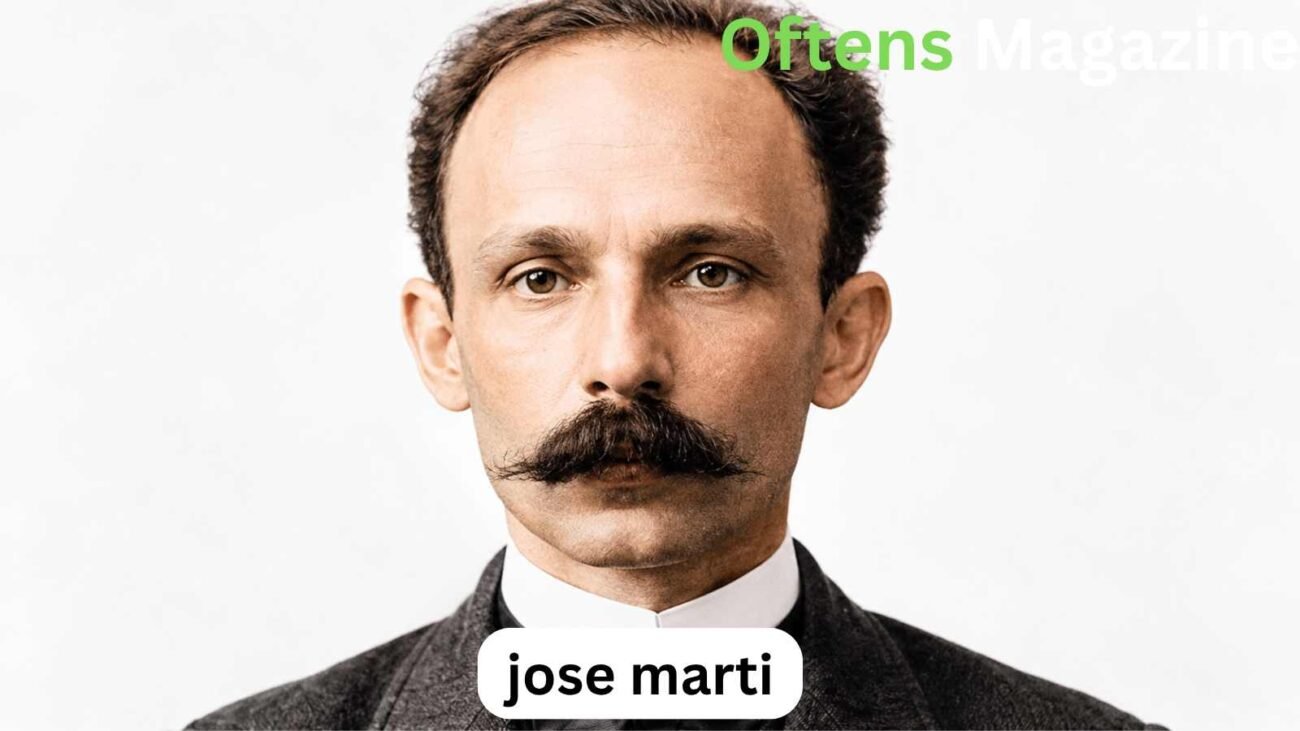
José Martí was a Cuban writer, poet, journalist and political thinker who became one of the most important figures in Cuba’s struggle for independence from Spanish rule. Born in Havana in 1853, he began writing and speaking about Cuba’s political future at a young age. His work combined literature with strong ideas about freedom, independence, education, and the rights of people across Latin America.
Martí spent much of his life in exile, where he continued writing and organizing support for Cuban independence. He founded the Cuban Revolutionary Party and played a major role in preparing for Cuba’s War of Independence. His life ended in 1895 when he was killed during the Battle of Dos Ríos, but his writings and political ideas continued to influence Cuba long after his death. Today, José Martí is remembered not only as a major literary figure but also as a national hero of Cuba.
José Martí Quick Bio
| Full Name | José Julián Martí Pérez |
| Born | January 28, 1853 |
| Birthplace | Havana, Cuba |
| Died | May 19, 1895 |
| Age at Death | 42 |
| Profession | Writer, Poet, Journalist, and Political Activist |
| Education | Studied in Spain; earned degrees in law and philosophy and letters at the University of Zaragoza |
| Known For | His writings and leadership in Cuba’s independence movement |
| Political Organization | Cuban Revolutionary Party |
| Spouse | Carmen Zayas Bazán |
| Children | One son, José Francisco Martí y Zayas-Bazán |
| Major Works | Ismaelillo, Versos sencillos, and Nuestra América |
| Cause of Death | Killed in combat at Dos Ríos during Cuba’s 1895 war for independence |
Who Was José Martí?
José Martí was a Cuban poet, writer, journalist, and political leader who played a major role in Cuba’s struggle for independence from Spanish rule. Born in Havana in 1853, he became involved in political writing while still very young. His early writings criticized Spanish control of Cuba, and this activism eventually led to his imprisonment and exile.
Martí spent much of his adult life outside Cuba, but he remained closely connected to the country’s independence movement. He wrote extensively about freedom, politics, society, and Latin America while living in places including Spain, Mexico, Guatemala, and the United States. In 1892, he helped establish the Cuban Revolutionary Party to organize the movement for independence. He returned to Cuba in 1895 and was killed in combat at Dos Ríos on May 19 of that year.
José Martí was a leading Cuban writer and independence figure whose ideas shaped both Cuban history and Latin American literature.
José Martí’s Early Life, Parents and Family Background
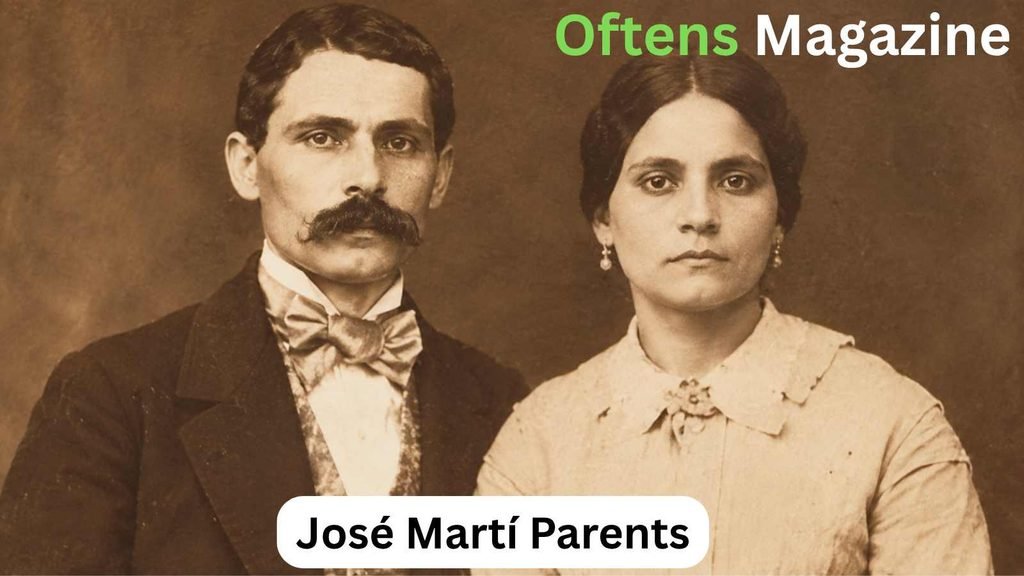
José Julián Martí Pérez was born on January 28, 1853, in Havana, Cuba. He was the eldest son of Mariano Martí Navarro and Leonor Pérez Cabrera, Spanish immigrants who had settled in Cuba. His family had limited financial means, and Martí experienced a modest upbringing. From an early age, he showed a strong interest in writing and ideas about society, while the political situation in Cuba gradually shaped his views.
As a teenager, Martí became increasingly involved in Cuba’s growing independence movement. During the Ten Years’ War, he wrote against Spanish rule and published La Patria Libre in 1869. His political activities soon brought him into conflict with Spanish authorities, and at only 16, he was arrested and sentenced to hard labor. This early experience had a lasting effect on his life and helped shape the writer and political activist he later became.
José Martí’s modest childhood and early opposition to Spanish rule shaped the ideas that guided much of his later life.
José Martí’s Education and Early Political Awakening
José Martí’s education began in Havana, where his talent for writing became noticeable at a young age. He studied under Rafael María de Mendive, a Cuban teacher and poet who had a strong influence on him. Martí’s interest in literature developed alongside his growing concern about Cuba’s political situation. By his teenage years, he was already writing about the island’s struggle under Spanish colonial rule.
His political involvement began very early. In 1869, when he was only 16, Martí was arrested by Spanish authorities after his writings and activities were linked to the independence movement. He was sentenced to six years of hard labor but was later deported to Spain. These experiences strengthened his commitment to Cuban independence and influenced both his political ideas and his writing throughout his life.
Martí’s early education and political experiences helped shape his lifelong commitment to Cuba’s freedom.
José Martí’s Exile in Spain and Life Abroad
After his deportation from Cuba, Martí went to Spain in 1871. He continued his education there and studied law and philosophy and letters at the University of Zaragoza. During his years in Spain, he continued writing about Cuba and criticizing colonial rule. His time abroad also gave him the opportunity to develop his ideas about government, freedom, education and society.
After leaving Spain, Martí lived and worked in several countries, including Mexico, Guatemala, Venezuela, and the United States. His years abroad were not simply a period of separation from Cuba. He used them to work as a journalist, writer, teacher, and political organizer while building support for Cuban independence. He eventually spent many years in New York, where he became deeply involved in organizing the Cuban independence movement.
Martí turned his years of exile into a period of education, writing, journalism, and political organization.
José Martí’s Career as a Poet, Journalist and Writer
José Martí had a wide-ranging literary career and became an important voice in Spanish-language writing. He wrote poetry, essays, newspaper articles, speeches, and political commentary. His literary works often explored freedom, justice, identity, childhood, and the future of Latin America. His poetry collections include Ismaelillo and Versos sencillos, while his famous essay Nuestra América discussed the political and cultural future of Latin America.
Journalism was another major part of Martí’s career. While living outside Cuba, he contributed articles and essays to newspapers and magazines in Latin America and the United States. His writing allowed him to reach readers across different countries while also supporting his political work. Through both his literature and journalism, Martí developed a distinctive voice that connected cultural ideas with his vision of independence and human dignity.
Martí used poetry, journalism, and essays to express his ideas about freedom, culture, and the future of Latin America.
José Martí’s Most Important Books and Writings
José Martí produced poetry, essays, political writings, journalism, and works for children. Among his best-known literary works are Ismaelillo, Versos sencillos, and La Edad de Oro. Ismaelillo, published in 1882, was a collection of poems inspired in part by his relationship with his son. Versos sencillos, published in 1891, contains some of his most recognized poetry and reflects themes such as nature, love, identity, and freedom. La Edad de Oro was a magazine for children that Martí wrote and edited while living in New York.
Martí was also an influential essayist and political writer. His 1891 essay Nuestra América became one of his most important works because it presented his ideas about Latin America, its people, culture, and political future. Earlier, during his exile in Spain, he wrote El presidio político en Cuba, a powerful account criticizing the treatment of Cuban prisoners under Spanish rule. His writing brought together literary expression and his concerns about freedom, independence, and society.
José Martí’s writings made him an important literary voice whose poetry and essays continue to be closely associated with Cuba and Latin America.
José Martí and Our America
Nuestra América, usually translated as Our America, is one of José Martí’s most influential essays. He published it in 1891, at a time when many Latin American countries were dealing with questions about political independence, national identity, and their relationship with stronger foreign powers. In the essay, Martí argued that Latin American societies needed to understand their own history and circumstances instead of simply copying political and social models from Europe or the United States.
Martí also emphasized the importance of unity, education, and governments that understood the people they served. He saw Latin America as a region with its own cultures and experiences that deserved to develop on its own terms. The essay became an important part of Martí’s political and intellectual legacy and remains one of his most studied works.
“Our America” expressed Martí’s vision of a confident and united Latin America shaped by its own history and needs.
José Martí’s Role in Cuba’s Independence Movement
José Martí became one of the leading organizers of Cuba’s struggle for independence from Spanish rule. After spending much of his life in exile, he dedicated his writing and political work to building support for another war for Cuban independence. He worked with Cuban revolutionaries and communities abroad, particularly in the United States, to unite different groups around the goal of ending Spanish colonial rule.
Martí believed that Cuba’s independence should create a free nation rather than simply replace one form of political control with another. He returned to Cuba in 1895 after the War of Independence began and joined the revolutionary forces. On May 19, 1895, he was killed during fighting at Dos Ríos. Although his life ended early, his role in organizing the independence movement made him one of the central figures in Cuba’s history.
Martí devoted his final years to organizing and supporting Cuba’s struggle for independence.
José Martí and the Cuban Revolutionary Party
José Martí helped establish the Cuban Revolutionary Party, known in Spanish as the Partido Revolucionario Cubano, in 1892. The organization was created to bring together Cuban and Puerto Rican supporters of independence and to prepare for the struggle against Spanish colonial rule. Martí served as an important leader within the party and used his writing and speeches to build support for its goals.
The party helped coordinate political and financial support among Cuban communities outside the island. Martí also worked to bring together different groups of Cuban revolutionaries, believing that cooperation was necessary for the independence movement to succeed. The organization became an important part of the preparations for the Cuban War of Independence that began in 1895.
The Cuban Revolutionary Party gave Martí an organized way to unite supporters and advance the cause of independence.
José Martí’s Marriage to Carmen Zayas Bazán and Family Life
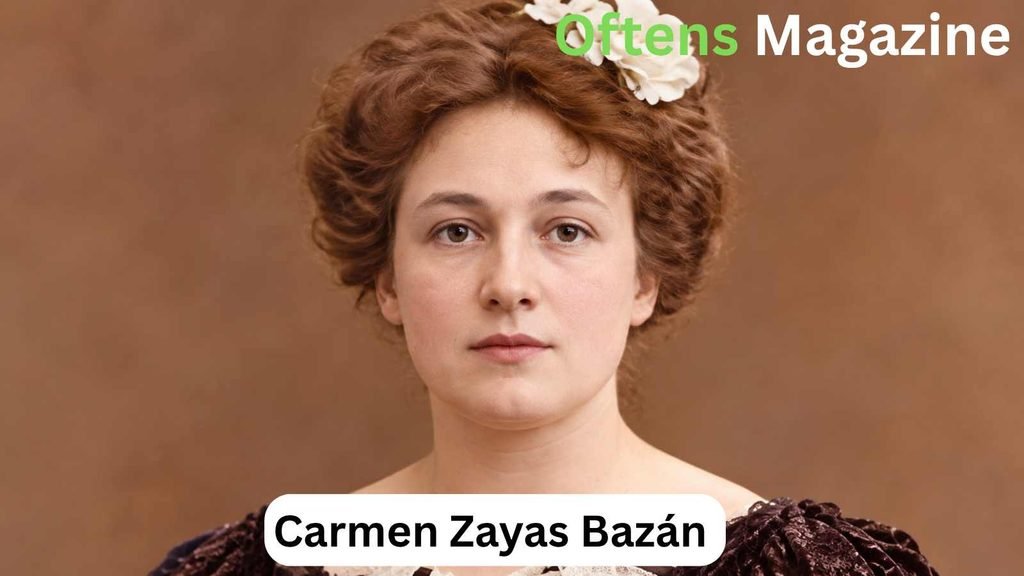
José Martí married Carmen Zayas Bazán on December 20, 1877, in Mexico. Carmen came from a Cuban family, and the couple spent part of their married life in Cuba and later abroad. Their relationship was affected by Martí’s political commitments and frequent periods of travel and exile, which kept him away from his family for long stretches.
Martí’s political work and constant movement made family life difficult. He spent many years outside Cuba, particularly in the United States, where he continued his writing and revolutionary activities. Carmen and Martí eventually separated, although they remained connected through their son. Their family life was therefore shaped by both personal circumstances and Martí’s long commitment to Cuba’s independence.
Martí’s marriage to Carmen Zayas Bazán was shaped by the demands of his political work and years spent in exile.
Did José Martí Have Children?
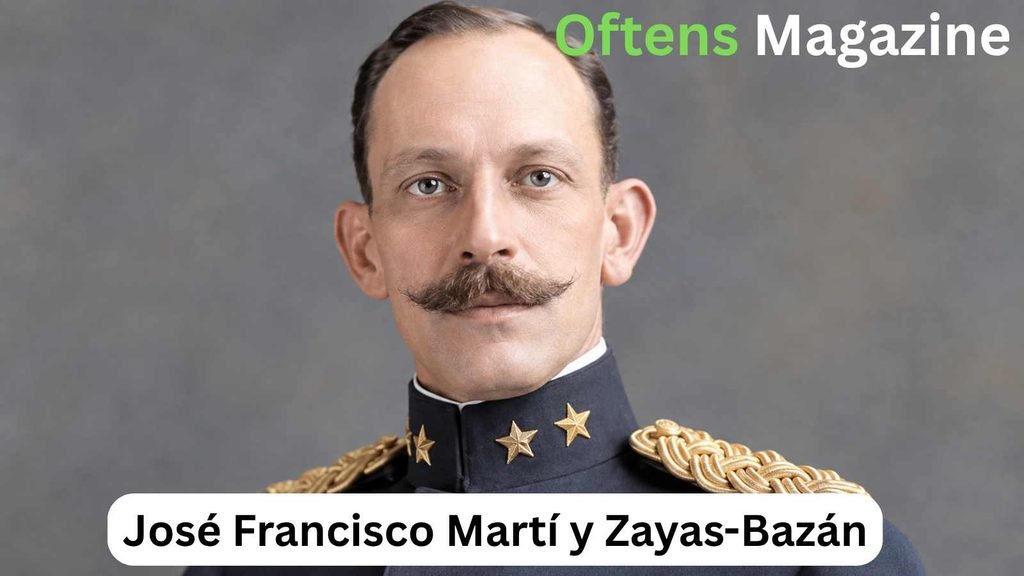
Yes, José Martí had one child, a son named José Francisco Martí y Zayas-Bazán, who was born in 1878. Martí affectionately referred to his son as “Ismaelillo,” and his relationship with the boy inspired the title and some of the poems in his 1882 collection Ismaelillo.
Martí’s life as a writer and political activist often kept him away from his son. Even so, his affection for José Francisco appears in his writing, particularly in Ismaelillo, which is one of his best-known poetry collections. His son later became a military officer in Cuba.
José Martí had one son, and his relationship with him inspired the poetry collection Ismaelillo.
How Did José Martí Die at the Battle of Dos Ríos?
José Martí died on May 19, 1895, during the early months of Cuba’s War of Independence against Spanish rule. He had returned to Cuba in April 1895 alongside Máximo Gómez to take part in the revolutionary struggle he had spent years organizing from abroad. At Dos Ríos, in eastern Cuba, Martí was with Cuban forces when Spanish troops launched an attack. He was killed during the fighting at the age of 42.
Martí’s death came only weeks after he had returned to the island, ending a life devoted to writing, political organizing, and the cause of Cuban independence. Although he did not live to see the outcome of the war, his death became an important part of his historical legacy. Later generations of Cubans came to remember him as a central figure in the country’s independence movement and as a major voice in Cuban history.
José Martí was killed in combat at Dos Ríos on May 19, 1895, while taking part in Cuba’s fight for independence.
José Martí’s Influence on Cuban and Latin American Literature
José Martí had a lasting influence on Spanish-language literature through his poetry, essays, journalism, and other writings. His work often combined clear literary expression with ideas about freedom, identity, justice, education, and society. Collections such as Ismaelillo and Versos sencillos showed his distinctive poetic style, while essays such as Nuestra América connected literature with wider cultural and political questions.
His influence also reached beyond Cuba. Martí wrote about the identity and future of Latin America at a time when the region was developing its own political and cultural voice. His writing encouraged readers to value Latin American history and culture rather than simply follow outside models. Because of this combination of literary creativity and social thought, Martí became an important figure in the development of modern Latin American literature.
Martí’s writing connected poetry and literature with important ideas about identity, freedom and Latin American culture.
José Martí’s Legacy as a Cuban National Hero
José Martí is remembered as one of the central figures of Cuban history and as a national hero of Cuba. His importance comes from both his literary work and his role in organizing the movement for Cuban independence. Through the Cuban Revolutionary Party, his journalism, speeches, and political writings, he worked to unite supporters of independence and prepare for the struggle against Spanish colonial rule.
His death at Dos Ríos in 1895 further shaped the way later generations remembered him. Martí did not live to see Cuba achieve independence, but his ideas continued to influence Cuban political and cultural life. His name, writings, and image remain closely connected with Cuban national identity, while his literary works continue to be studied throughout Cuba and Latin America.
José Martí’s legacy combines his contribution to Cuban independence with his enduring importance as a writer and thinker.
Frequently Asked Questions
1. Who was José Martí?
José Martí was a Cuban poet, writer, journalist, and political leader who played a major role in Cuba’s struggle for independence from Spanish rule.
2. When and where was José Martí born?
José Martí was born on January 28, 1853, in Havana, Cuba.
3. Who were José Martí’s parents?
His parents were Mariano Martí Navarro and Leonor Pérez Cabrera, both of whom were born in Spain and later settled in Cuba.
4. Was José Martí married?
Yes. José Martí married Carmen Zayas Bazán in 1877.
5. Did José Martí have children?
Yes. He had one son, José Francisco Martí y Zayas-Bazán, born in 1878.
6. What is José Martí best known for?
Martí is best known for his writing and his leadership in Cuba’s independence movement. He was also an important voice in Latin American literature.
7. What did José Martí write?
His notable works include Ismaelillo, Versos sencillos, La Edad de Oro, and the influential essay Nuestra América.
8. How did José Martí die?
José Martí was killed on May 19, 1895, during fighting at Dos Ríos in Cuba while participating in the country’s war for independence.
Conclusion
José Martí’s life brought together literature, journalism, political thought, and the struggle for Cuban independence. From his early years in Havana to his years of exile and his final return to Cuba, he continued to write and work for the ideas he believed were important. His poetry and essays gave him a lasting place in Spanish-language literature, while his political work made him a central figure in Cuban history.
Although Martí died at only 42, his influence continued long after his death. His writings, especially Versos sencillos and Nuestra América, remain important works, and his name continues to be closely associated with Cuban independence and national identity.

One thought on “Who Is José Martí? The Life, Writings and Legacy of Cuba’s National Hero ”