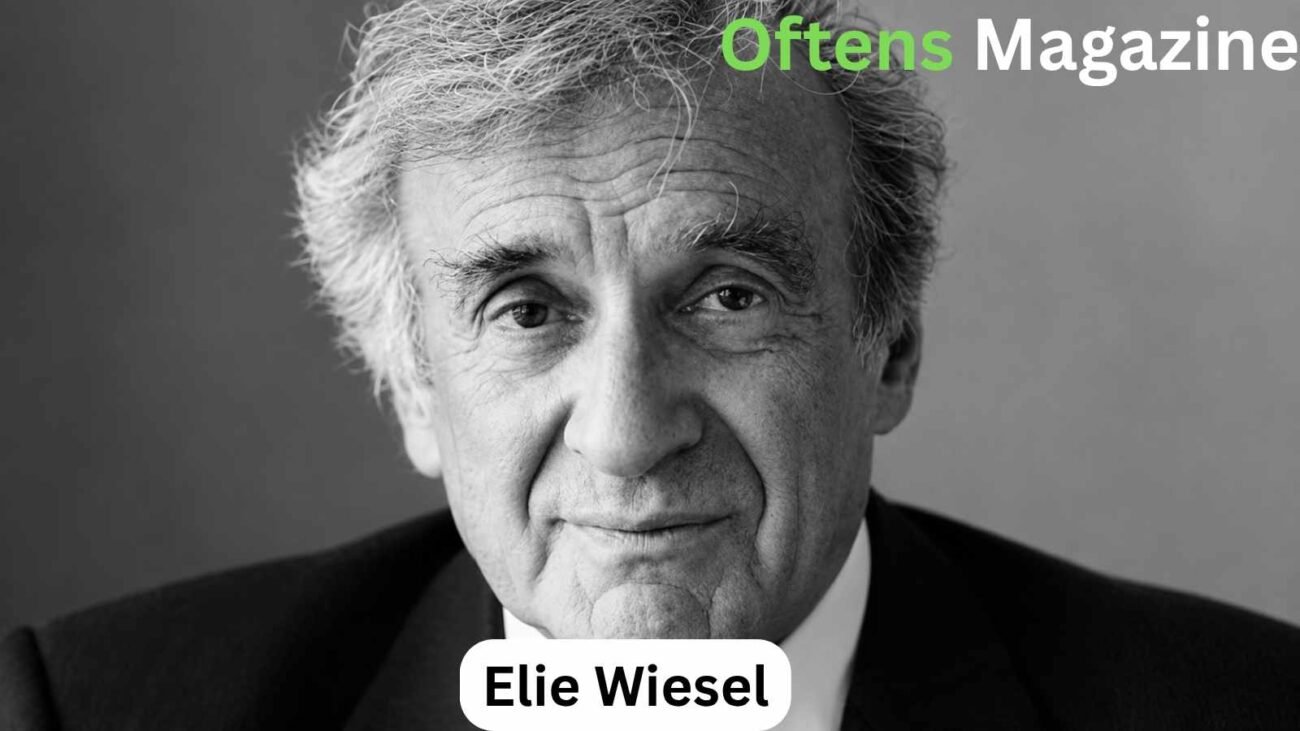
Elie Wiesel was a Romanian-born Jewish writer, teacher, and human rights activist who became one of the best-known voices of Holocaust remembrance. Born in 1928 in Sighet, then part of Romania, he was deported to Nazi concentration camps as a teenager during World War II. He survived Auschwitz and Buchenwald, but lost his parents and younger sister during the Holocaust. His experiences later became the foundation of his writing and lifelong work for human rights.
Wiesel became internationally known for his memoir Night, which describes his experiences during the Holocaust and the suffering he witnessed as a young prisoner. Throughout his life, he wrote many books, taught at universities, spoke about genocide and human dignity, and supported efforts to protect people from persecution. In 1986, he received the Nobel Peace Prize for his work in speaking out against violence, hatred, and oppression. He died in 2016 at the age of 87, leaving a lasting influence through his books, teaching, and humanitarian work.
Elie Wiesel Quick Bio
| Full Name | Eliezer “Elie” Wiesel |
| Born | September 30, 1928 |
| Birthplace | Sighet, Romania |
| Died | July 2, 2016 |
| Age at Death | 87 |
| Profession | Writer, Professor, Journalist, Human Rights Activist |
| Known For | Night and Holocaust remembrance |
| Wife | Marion Wiesel |
| Child | One son, Shlomo Elisha Wiesel |
| Nobel Prize | Nobel Peace Prize, 1986 |
| Education | Sorbonne, Paris |
| Famous Book | Night |
Who Was Elie Wiesel?
Elie Wiesel was a Jewish writer, journalist, teacher, and human rights activist who became one of the best-known survivors of the Holocaust. He was born on September 30, 1928, in Sighet, Romania. When he was 15, Wiesel and his family were deported to Auschwitz in 1944. He survived the Nazi concentration camps, while his parents and younger sister were killed during the Holocaust.
After World War II, Wiesel moved to France, where he studied and later worked as a journalist. His experiences during the Holocaust shaped much of his life and writing. His memoir Night brought his story to readers around the world, and he later became a professor and an active voice for human rights. In 1986, he received the Nobel Peace Prize for his work promoting peace, human dignity, and the remembrance of the Holocaust.
Elie Wiesel devoted his life to remembering the Holocaust and speaking for human dignity and peace.
Elie Wiesel’s Early Life and Family
Elie Wiesel was born into a Jewish family in Sighet, a town in Transylvania that was part of Romania at the time. His father, Shlomo Wiesel, was involved in the local Jewish community and ran a grocery store. His mother, Sarah, cared for the family and encouraged Elie’s strong interest in Jewish religious study. He had three sisters: Beatrice, Hilda and Tzipora.
Wiesel grew up in a religious Jewish home and spent much of his childhood studying Jewish texts. As a teenager, his life changed completely when Nazi Germany occupied Hungary in 1944. He and his family were forced into the Holocaust and they were deported to Auschwitz in May of that year.
Elie Wiesel’s peaceful childhood in a Jewish community was changed forever by the Holocaust.
Elie Wiesel’s Parents and Childhood
Wiesel’s parents were Shlomo and Sarah Wiesel. His father was an important influence on him, particularly during the difficult years of the Holocaust. Before the war, Elie spent his childhood in Sighet and received a traditional Jewish education alongside his regular schooling.
When the family arrived at Auschwitz, Elie and his father were selected for forced labor. His mother Sarah and his younger sister Tzipora were sent to their deaths. Elie’s two older sisters, Beatrice and Hilda, were also selected for forced labor and survived the war. Elie remained with his father through much of their imprisonment, but Shlomo died at Buchenwald before the camp was liberated in April 1945.
The loss of his parents and younger sister became one of the deepest experiences shaping Wiesel’s later life and writing.
Elie Wiesel’s Education
Education was an important part of Wiesel’s childhood. He attended a local yeshiva, where he studied Jewish religious texts and developed a strong interest in Jewish learning. As a young teenager, he also began studying Kabbalah. His early religious education became an important part of his identity and later influenced his writing.
After the Holocaust, Wiesel continued his education in France. He studied at the Sorbonne in Paris and became interested in journalism. His studies and work in Paris helped him build a new life after the war and eventually led him toward his career as a writer, journalist, and teacher.
Wiesel’s education began with Jewish religious study and later developed into a career in journalism, literature, and teaching.
Elie Wiesel During the Holocaust
In 1944, Nazi Germany occupied Hungary, and the Jewish community of Sighet was forced into a ghetto before being deported. Elie Wiesel, his parents, and his three sisters were sent to Auschwitz in May 1944. Wiesel was only 15 years old at the time.
At Auschwitz-Birkenau, Wiesel and his father were selected for forced labor, while his mother and younger sister were killed. Elie was later sent to Buna, a forced-labor camp connected with Auschwitz III, also known as Monowitz. In January 1945, he and his father were transported from Auschwitz to Buchenwald during a forced evacuation. His father died there before the camp was liberated in April 1945.
The Holocaust changed every part of Wiesel’s life and became central to his later work.
How Did Elie Wiesel Survive the Holocaust?
Wiesel survived by being selected for forced labor rather than being sent directly to the gas chambers when he arrived at Auschwitz. He worked alongside his father at Buna and endured the harsh conditions of the concentration camp system. In January 1945, as Soviet forces approached Auschwitz, the SS evacuated prisoners from the camp, forcing Wiesel and his father on a difficult journey to Buchenwald.
At Buchenwald, Wiesel’s father became seriously ill and died before the camp was liberated. Elie survived until American forces liberated Buchenwald on April 11, 1945. After liberation, he eventually went to France, where he reunited with his two older sisters.
Wiesel survived the concentration camps through forced labor and endured the final months of the Holocaust at Buchenwald.
Elie Wiesel’s Writing Career
After the war, Wiesel spent several years building a new life and working as a journalist. For almost a decade, he did not write publicly about his experiences in the concentration camps. After a 1954 interview with French writer François Mauriac, Wiesel began writing about what he had survived. His first major account was originally written in Yiddish and later became Night, his best-known memoir.
Night was published in French as La Nuit in 1958 and later appeared in English in 1960. The memoir describes Wiesel’s experiences during the Holocaust, including his deportation to Auschwitz, the loss of his family members, forced labor, and the journey to Buchenwald. Wiesel went on to write more than 40 books, including novels, essays, memoirs, and works about Jewish history and human suffering.
Elie Wiesel used writing to share his Holocaust experience and help future generations understand its human cost.
Elie Wiesel’s Wife Marion Wiesel and Family Life
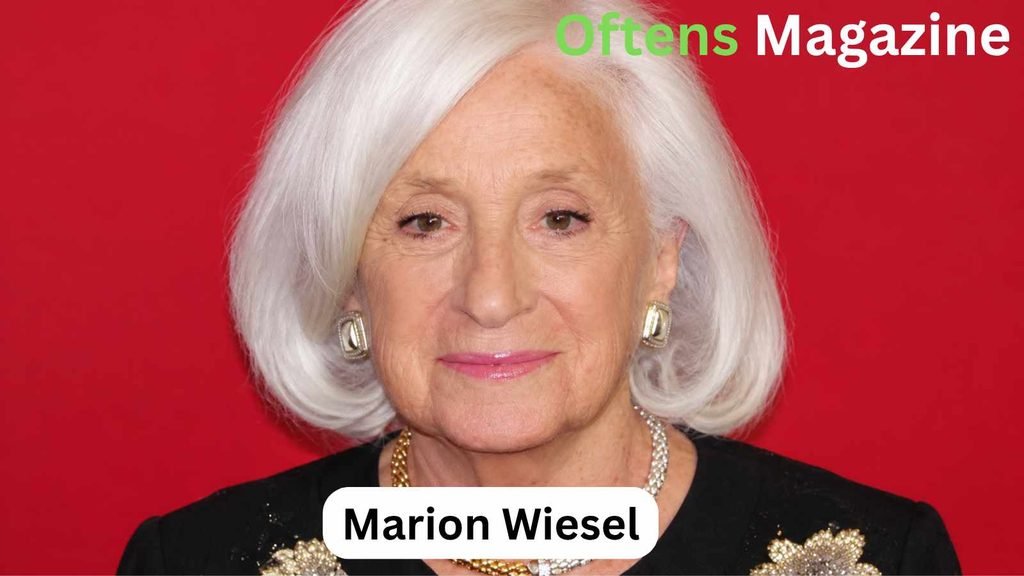
Elie Wiesel married Marion Wiesel in 1969, and they remained together for the rest of his life. Marion was also involved in his literary work and later translated several of his books, including Night. The couple shared a life shaped by writing, teaching, and humanitarian work, while generally keeping their family life away from unnecessary attention.
Their family grew in 1972 when their son, Shlomo Elisha Wiesel, was born. Elie and Marion were also seen together at public events connected with Holocaust remembrance and humanitarian causes. Their partnership continued alongside Wiesel’s work as a writer, professor, and human rights advocate until his death in 2016.
Marion Wiesel was Elie Wiesel’s wife and longtime partner in both family life and his literary work.

Did Elie Wiesel Have Children?

Yes, Elie Wiesel and Marion Wiesel had one son, Shlomo Elisha Wiesel, who was born in 1972. His birth came during a period when Elie was building his career as a writer and professor.
Wiesel valued his role as a father while continuing his work in education, literature, and human rights. His son was occasionally seen with him and Marion at public events, including gatherings connected with Wiesel’s humanitarian activities.
Elie Wiesel and Marion Wiesel had one son, Shlomo Elisha, born in 1972.
Why Did Elie Wiesel Win the Nobel Peace Prize?
Elie Wiesel received the Nobel Peace Prize in 1986 for his work speaking for human rights, peace, and human dignity. The Nobel Committee highlighted his role in reminding the world about the Holocaust and the importance of standing against hatred, oppression, and indifference.
His own experience as a Holocaust survivor strongly influenced this work. Through his books, speeches, teaching, and humanitarian activities, Wiesel encouraged people to remember the victims of genocide and to respond when human rights are threatened.
Wiesel won the Nobel Peace Prize for his lifelong work promoting peace, human dignity, and human rights.
Elie Wiesel’s Human Rights Work
Elie Wiesel spent much of his later life speaking about human rights and the dangers of hatred and indifference. His experience during the Holocaust led him to speak on behalf of people facing persecution in different parts of the world. He also became a major voice for Holocaust remembrance and education.
Wiesel played an important role in the creation of the United States Holocaust Memorial Museum and became the founding chairman of the United States Holocaust Memorial Council in 1980. In 1986, he and Marion Wiesel established the Elie Wiesel Foundation for Humanity to promote human rights and peace and encourage discussion of important ethical issues.
Elie Wiesel used his personal experience to speak for people facing injustice and to promote human rights around the world.
Elie Wiesel’s Awards and Achievements
Elie Wiesel received many major honors during his lifetime. His awards included the Nobel Peace Prize in 1986, the United States Congressional Gold Medal of Achievement, the Presidential Medal of Freedom, and the Medal of Liberty. He was also awarded France’s Grand-Croix of the Legion of Honor.
His achievements also extended beyond awards. Wiesel wrote more than 40 books, taught at major universities, and played an important role in Holocaust education and remembrance. He received more than 100 honorary degrees from institutions of higher education.
Wiesel’s achievements reflected his lasting work as a writer, teacher, Holocaust survivor, and human rights advocate.
When Did Elie Wiesel Die?
Elie Wiesel died on July 2, 2016, in Manhattan, New York. He was 87 years old. His death marked the end of a life that had included decades of writing, teaching, public speaking, and work for human rights.
Wiesel had spent much of his life making sure that the Holocaust remained part of public memory and education. His books, particularly Night, continued to introduce readers to the personal experience of a young Jewish prisoner during the Holocaust.
Elie Wiesel died at age 87 after a lifetime devoted to writing, education, remembrance, and human rights.
Elie Wiesel’s Legacy
Elie Wiesel’s legacy is closely connected to Holocaust remembrance and his efforts to defend human dignity. His memoir Night became a major work of Holocaust literature, while his teaching and public speaking helped bring discussions of genocide, suffering, and moral responsibility to wider audiences.
His influence also lives on through Holocaust education, the institutions he helped support, and the humanitarian work carried out through the Elie Wiesel Foundation for Humanity. For many readers, his life remains an example of how personal experience can be used to encourage remembrance and a stronger commitment to human rights.
Elie Wiesel left a lasting legacy through his books, teaching, Holocaust remembrance, and human rights work.
Frequently Asked Questions
1. Who was Elie Wiesel?
Elie Wiesel was a Holocaust survivor, writer, professor, journalist, and human rights activist best known for his memoir Night.
2. Who was Elie Wiesel’s wife?
Elie Wiesel’s wife was Marion Wiesel. They married in 1969 and remained together until his death in 2016.
3. Did Elie Wiesel have children?
Yes. Elie Wiesel and Marion Wiesel had one son, Shlomo Elisha Wiesel, born in 1972.
4. Why did Elie Wiesel win the Nobel Peace Prize?
He received the 1986 Nobel Peace Prize for his work promoting peace, human rights, and human dignity, as well as for speaking about the lessons of the Holocaust.
5. When did Elie Wiesel die?
Elie Wiesel died on July 2, 2016, at the age of 87.
6. What was Elie Wiesel’s most famous book?
His most famous book was Night, a memoir about his experiences during the Holocaust.
7. What did Elie Wiesel do for human rights?
He spoke and wrote about human rights, Holocaust remembrance, peace, and the need to oppose persecution and indifference.
8. What is Elie Wiesel remembered for?
He is remembered for surviving the Holocaust, writing Night, teaching, receiving the Nobel Peace Prize, and advocating for human dignity and human rights.
Conclusion
Elie Wiesel’s life was shaped by his experience during the Holocaust and by his determination to remember those who suffered and died. Through Night, his teaching, and his humanitarian work, he shared his experiences with generations of readers and encouraged greater awareness of human rights.
His marriage to Marion Wiesel, their son, his Nobel Peace Prize, and his decades of public work were important parts of his life after the Holocaust. Elie Wiesel died in 2016, but his books and work in Holocaust remembrance continue to keep his message of human dignity and remembrance alive.

One thought on “Who Is Elie Wiesel? His Life, Holocaust Story, Books and Legacy”